
“Stick a fork in it: guest blogging is done.”
Those were the words of Matt Cutts, a renowned name in the SEO space, in a blog post he published in 2014. The state of guest blogging, at least at the time, had gotten so spammy that he wouldn’t recommend it unless you could personally vouch for someone. But later, he slightly scaled back, stating that he was referring to low-effort guest blogging.
Over 10 years have passed, and guest blogging is still a valid link building strategy. I mean, what else can they rely on for SEO if not this?
Editorial links? You’re up against a low acceptance rate.
Internal links? That’s not enough to get your brand out there.
Private blog networks? Let’s not even get started with that.
Guest blogging (also called guest posting) is too valuable to lose because of its advantages over other techniques. Provided a good pitch and write-up, you don’t have to wait long for a backlink. And even if the publishers aren’t as well-known, guest posts can still benefit from their sound reputation and relevance if in the right niche.
That said, it’s 2026. SEO, as we know it, has undergone a radical change. The battlefield has shifted from the first page of search results to AI-generated summaries. But despite all this, I can confidently say guest blogging is still a good link building strategy. All you need to do is tailor your content and outreach to suit AI requirements.
Understand Your Niche
Even before AI, guest blogging has always required a calculated approach. You can’t simply get your off-page article published anywhere you feel like it and call it a day. It doesn’t make sense for a write-up on fixing a busted furnace to appear on a gaming or esports news site.
Making guest posts work begins with knowing your niche. Not just the industry but also its target audience, brand image, etc. These factors will determine where best to publish your content, which includes three kinds.
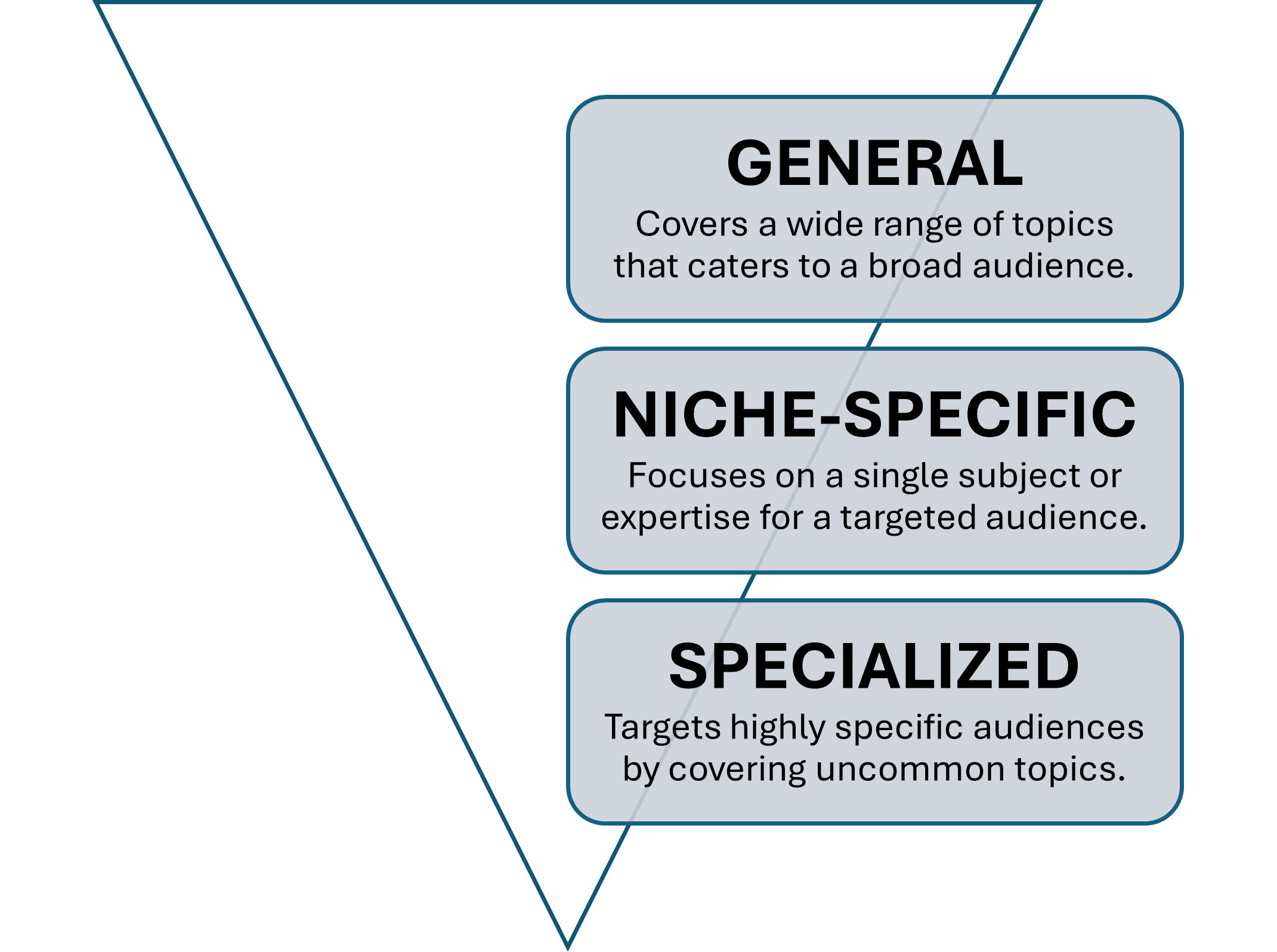
There are several ways to interpret the inverted pyramid above, starting with readership for each type. General publishers attract the most readers because of their wide coverage of topics, especially news sites. And while niche sites attract fewer readers, they’re more in line with the niche and tend to show stronger interest in it.
Just because you have to be careful in choosing publishers doesn’t mean you have to limit yourself to one or two. In fact, some experts suggest having at least 10 websites that cater to your niche. And they don’t have to be big names, either.
General publishers are great for creating content around news and current events (not necessarily newsjacking, but that works, too). For example, a local plumbing service can publish a winter plumbing maintenance guide before winter arrives.
Niche publishers are ideal when you have certain groups in your customer base. For example, a parenting blog is suitable if your article about camping is written in a tone that benefits new and long-time parents.
Specialized publishers are highly situational, as they cover topics that general or niche publishers don’t accept. This is evident among the so-called “gray niches,” with examples like CBD, crypto, and gambling.
Without understanding your niche, you’ll be hard beset on finding a publisher that can put your content on the Web. Many publishers are strict about the topics they can run and the kinds of content they accept. And without an off-page article, don’t expect the AI to cite or mention your content, let alone your brand, in a summary.
Learn the Publisher’s Rules
It’s common courtesy to follow house rules anytime you’re visiting a friend or close relative at their home. The same goes for getting articles published: the publisher has the final say on what goes live and what doesn’t.
Many websites post their publishing guidelines in their “Write For Us” section (or something to that effect), along with FAQs and other details. If you can’t find one on a specific website, use “website name” + “write for us” as your search query.
Publishers have varying rules but have some in common.
Meet the publisher’s preferred word count and image size, if any
Submit the manuscript in the appropriate document format
Avoid writing your article or post in a promotional or salesy tone
Ensure proper spelling and grammar before submitting
Cite reliable sources, especially for writing YMYL topics
A good tip is to look for and read the website’s most-read articles. Those pieces don’t earn that much traffic for no reason, which should serve as a guide on how to write yours. While some websites have a section dedicated to popular posts, you can use SEO tools such as Ahrefs or Google Analytics 4 for those without one.
If you want to keep things simple, you can hire a backlink building service to do most of the work. This approach is ideal when you don’t have the resources or time to produce content in-house. That said, it’s important to stay involved even when someone is doing the work.
Propose Your Topics
Guest blogging goes beyond making your content seen and leading readers to your website. The moment a publisher accepts your content is the moment both of you enter into a long-term partnership. After all, you can ask said publisher again if you plan another piece, and they’ll likely be more than glad to entertain the idea.
On that note, the first submission is the most crucial. Once you’ve chosen your publishers, the next step is to propose your selected topics to their editorial team. Your letter should be straight to the point and, more importantly, treat the recipient like a living human instead of a mere statistic. On that note, avoid addressing them in a generic tone.
In my updated beginner’s guide to link building, I stressed the need to make every pitch as personalized as possible. Keep your letter brief, but SEMrush advises that it should at least contain the following information:
A subject line that explains what the publisher will get out of publishing your piece
A link to one of the publisher’s articles, along with a reason you picked that article
An explanation of how your article will benefit the publisher’s reader base
Links to a few of your published works, preferably relevant to the article’s niche
A sound plan on how you intend to promote your article once it goes live
After receiving the proposal, the editorial team may take a few days to get back to you. Be patient and wait for a reply. Only follow up after a week has passed without a response. If there’s still nothing, don’t bother with another follow-up and move on.
If the editorial team replies with feedback, consider it before deciding whether or not to follow through. Don’t hesitate to share your reservations as long as you can justify them. The same applies to making edits to your content’s first draft.
Use AI Tools Responsibly
Not everyone can write well—that much is certain. And for these kinds of people, using AI for the entire writing process can be tempting. The good news is that Google doesn’t care how the content was made: human, AI, or a mix of the two.
But while some publishers accept AI-generated articles, others require AI writing to be kept to a minimum or outright forbid it. They’re aware of the “AI slop” circulating on the Web, not to mention their readers’ aversion to such low-effort content. Publishing one puts them at risk of damaging their reputation and losing their trust.
As I explained in another post, this time about having a journalist’s mindset when creating content, AI can be great for certain uses. One example is performing background research, such as using chatbots to generate topics or content outlines. Know that the AI-generated result is still subject to changes on your end, as AI isn’t perfect.
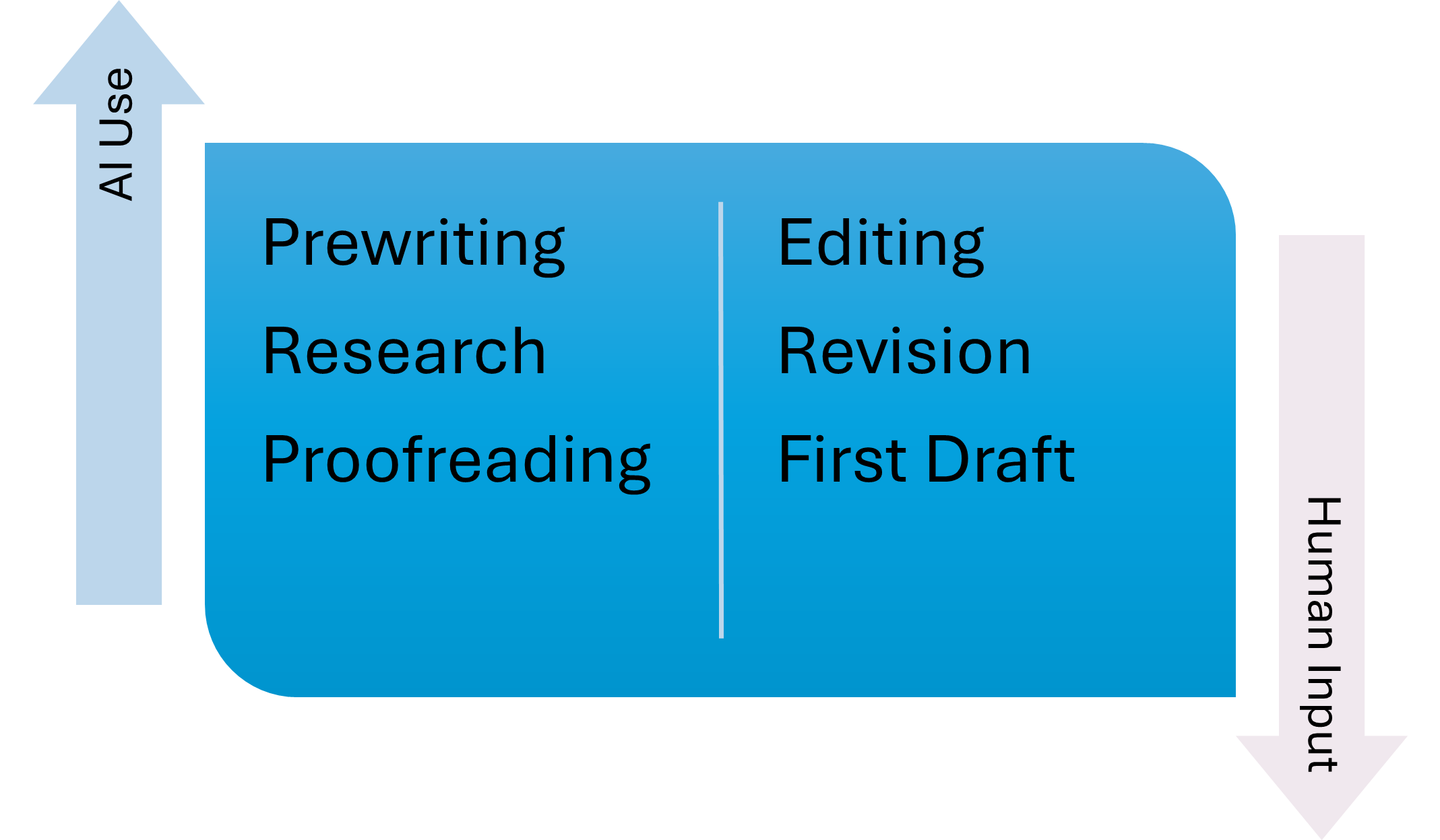
AI should be designed to augment, not replace. Even if you let the model write, a human must still be present to check and revise its output. Without the human element, it’ll just be rejected by most publishers—if not because it’s AI, then it’s because it’s poorly made.
Guest Blogging is Still Relevant
Guest blogging’s advantages have largely kept it in the rapidly evolving SEO scene. It’s the mainstay of SEO campaigns, generating backlinks faster than editorial links while keeping in line with content guidelines. And given how AI search operates, it won’t be going away anytime soon.