
In 2020, we published a post explaining the benefits of link building that most people aren’t aware of. But after going through that post, I learned that most of the items explained there are already well-known. This update discusses the lesser-known benefits this time around.
You can’t do SEO without link building. Not in today’s search.
As I’ve explained in past posts, links vouch for a website’s credibility. Imagine an article or blog post by a well-known site citing your post (and linking to it). Not only readers but also search engines see this as a sign that your content—and website, to an extent—is reliable. Thus, it stands to reason that it should be higher up in the search results.
But unless you’re a total novice reading this, you probably already know about this benefit of link building. You may also be aware that it helps increase incoming traffic to your site or even boost your site’s authority. That said, is there anything else?
Better AI Visibility
AI’s entry into search has made SEO more complicated than it already is. Between the rise of AI summaries and AI-powered search functions, it has already changed parts of the SEO playbook. Unfortunately, site owners and SEO experts alike are struggling to adapt.
Link building isn’t spared from the sweeping changes. While the majority of professionals believe backlinks will remain relevant, it won’t just be about them anymore. To be honest, it was never just about them in the first place.
Anytime an AI model scours the search results, it focuses more on relevance and less on rankings. It doesn’t care if a post is outside the top ten or the first page; it’ll cite whatever info it has if it answers the user’s question. To that end, it doesn’t put as much weight on backlinks as on other factors like search intent.
That doesn’t mean backlinks are irrelevant today. AI still uses them to confirm that a site is reliable enough to use its content for generating the summary. It’s just that there’s more to link building than backlinks per se.
Brand mention is the name of the game, and it consists of passive and active modes.
In passive brand mention, the goal is to create assets that the model can cite with ease. These are more than your run-of-the-mill article or blog post. Some examples include online tools, original research, and explainer pages.
Meanwhile, active brand mention is essentially setting yourself up to be an expert on your niche. Anytime journalists or content creators need a resource person for a topic, you deliver timely content that answers their questions.
This isn’t link building in the traditional sense, but it can still result in backlinks. And all the while, AI can be convinced that your words are exactly what users need to know and cite or mention them in the summary.
Improves Bounce Rate
A visitor to a site “bounces” when they enter a page but leave without doing anything else. Therefore, a high bounce rate means that more people are leaving the site than engaging with it (i.e., cart checkout, creating an account).
A high bounce rate is often associated with poor user experience. However, improper link building can also be a cause. If a link leads to a post that doesn’t sate a visitor’s curiosity, you can’t blame them if they opt to continue their search elsewhere.
You may think that improving bounce rates is as easy as keeping visitors on the site for as long as possible. But as far as analytics go, that won’t do without getting them to engage. The simplest way is to urge them to explore the rest of the site.
Link building just happens to have a good method: internal link building.
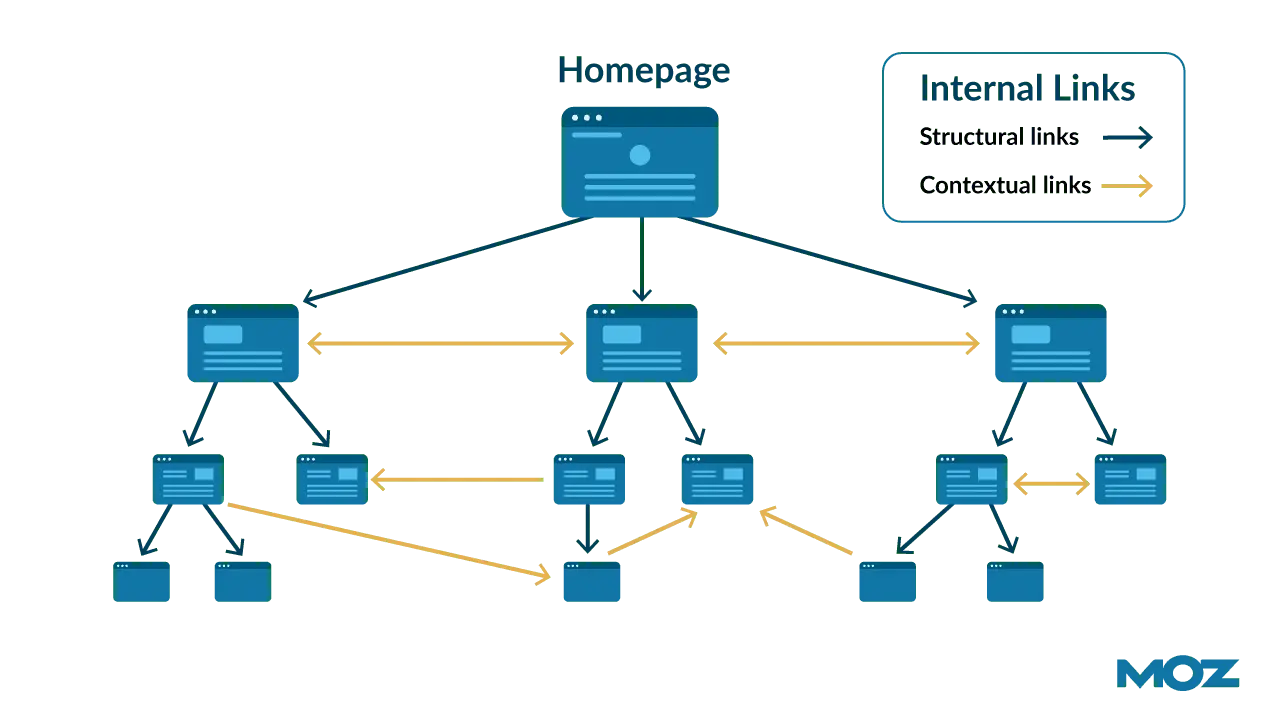
Source: Moz
Internal links make a site more crawl-friendly, but it does more than that. Visitors who want to explore more of the site benefit from links that take them to the next destination in a single click. This alone is already a form of engagement, thus improving the bounce rate.
Internal link building also works from an attention span perspective. For example, I could discuss the various methods of building internal links at this point. However, that would make this post longer than it already is, and not everyone has the patience to go through long-form content. By leaving a link, readers can opt to check it out for additional context.
Note: Bounce rate shouldn’t be confused with exit rate, which measures how many users leave a site after visiting multiple pages. All bounces are exits, but not all exits are bounces.
Helps Journalists
While I can’t speak for the profession as a whole, I’m well aware that journalists don’t have it easy. Covering a story involves finding a person with authority and expertise to talk about the topic. Not to mention that they have to hand in their report before the end of the day.
Fortunately, building healthy partnerships is part and parcel of link building. The media just happens to be a major benefactor, as a brand mention in a source of unbiased information says a lot about its credibility. Granted, the brand can’t blatantly promote its products and services (unless labeled as sponsored content), but readers demand answers, not ads.
There are two ways link building helps journalists: direct and indirect. The direct approach involves, well, directly reaching out to these people. One example is Help A Reporter Out (HARO), a free-to-use platform that lets reporters and niche experts exchange information.
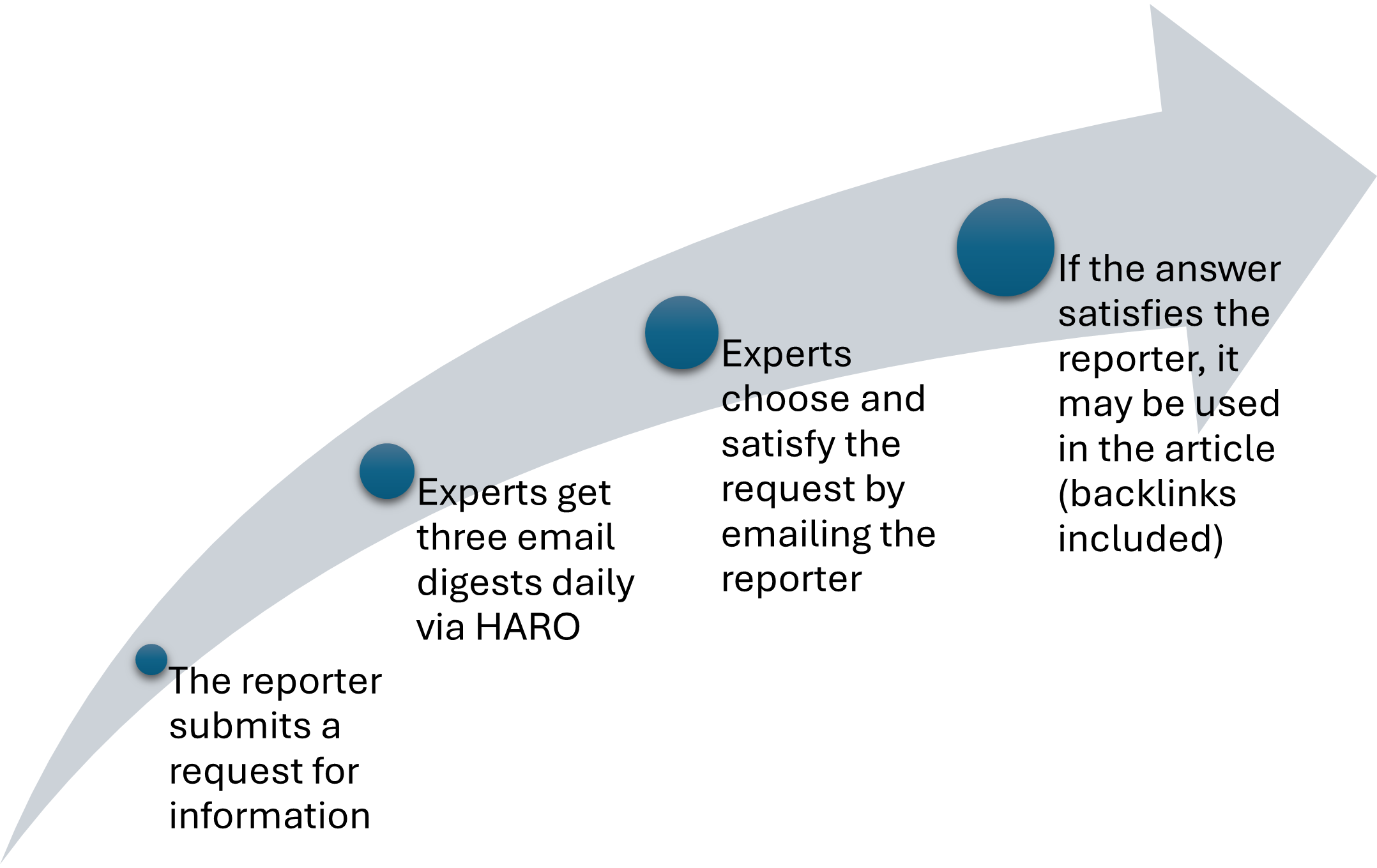
The HARO process. Source: HARO
Other similar platforms include Featured (which operates HARO), Source of Sources, and MentionMatch. Keep in mind that fulfilling a reporter’s request doesn’t guarantee a brand mention, considering that you’re up against thousands of others with the same idea.
The indirect approach is what I like to call the bait and wait. Instead of communicating with journalists directly, this process involves publishing newsworthy press release content and waiting for a reporter to bite. Emphasis on “newsworthy” because a generic press release will largely be ignored. Journalists only have so much time on their hands.
Whichever approach you opt for (or both), it shows how link building can be a godsend to reporters looking for news. The more you provide satisfactory answers, the more likely the reporter will come to you when their story needs your expertise.
Don’t Dismiss Link Building Too Quickly
Make no mistake because link building does wonders for any website’s SEO campaign. But when you look past the SEO aspect, you begin to appreciate its true value. Proper link building isn’t a win for the brand but a win-win for everyone involved.