
KEY TAKEAWAYS:
AI may make creating marketing campaigns today much easier, but it doesn’t always result in effective ones.
Human creativity is still crucial in an AI-dominated landscape, starting with finding good ideas from bad ones.
Bubble wrap started as an idea that was, at the time, stupid.
Howard Fielding created the material alongside chemist Marc Chavannes in the late 1950s. They originally marketed it as a textured wallpaper for the Beat Generation: expressionists, modernists, and anyone wanting to break tradition. It was definitely unique but too unique to appeal to consumers’ tastes for wall coverings at the time.
Then, IBM needed something capable of keeping its then-new computer safe during transit. Suddenly, bubble wrap got a second chance at success as packaging that far outperformed other available options back then. Once a stupid idea, bubble wrap is primed to be a $10-billion global market by the next decade (and bring hours of amusement after use).
Where am I going with this? Well, this success story was made before AI was mainstream.
Marketers tend to think that they have to come up with smarter messaging to help a brand gain or keep its edge. They resort to AI to create their campaigns, only to fall short because the campaigns are flat, tone deaf, or context-blind—or all three. Such are the qualities of a stupid marketing strategy, but that’s not the kind of “stupid” we’re after.
The Silly Kind of ‘Stupid’
Before anything else, let’s address the elephant in the room. AI is making us dumb.
At least, that’s what researchers at MIT believe. They had people write an essay using AI tools, search engines, or only their brains and found that the AI-tool group exhibited low brain engagement and activity. With the tool doing the heavy lifting, it lessens the mental burden on users but discourages critical thinking. (1)
It also risks making future AI models dumber to the point of a model collapse. Imagine a successor model trained on the predecessor’s output rather than raw data. It degrades in accuracy and reliability over time, ultimately leading to an entire model line dying off and significantly stifling AI development.
This isn’t the stupid we want. Instead, we need the silly kind.
To understand this, we have to learn why people are attracted to unique content but ignore generic content. The human brain can only handle so much data at a given time, even if it’s capable of processing more. Also, to avoid getting overwhelmed, it cherry-picks important or meaningful details over anything irrelevant.
Generic marketing is less likely to work now as years of such have desensitized consumers. They might just flat-out ignore an ad, let alone one purely made with generative AI.
Instead, experts believe that effective marketing invokes emotions: joy, inspiration, hilarity, nostalgia, etc. Humans are emotional beings, even those who let logic do the talking all the time. Tapping into the right feelings helps brands resonate with their customers.
And we don’t have to travel to the distant past to look for examples.
Sony’s recent decision to stop selling physical video game copies by 2028 in favor of digital ones has been largely criticized. That said, what’s remarkable about this ongoing debacle is the response by many brands—some of whom, like Domino’s, aren’t direct competitors.
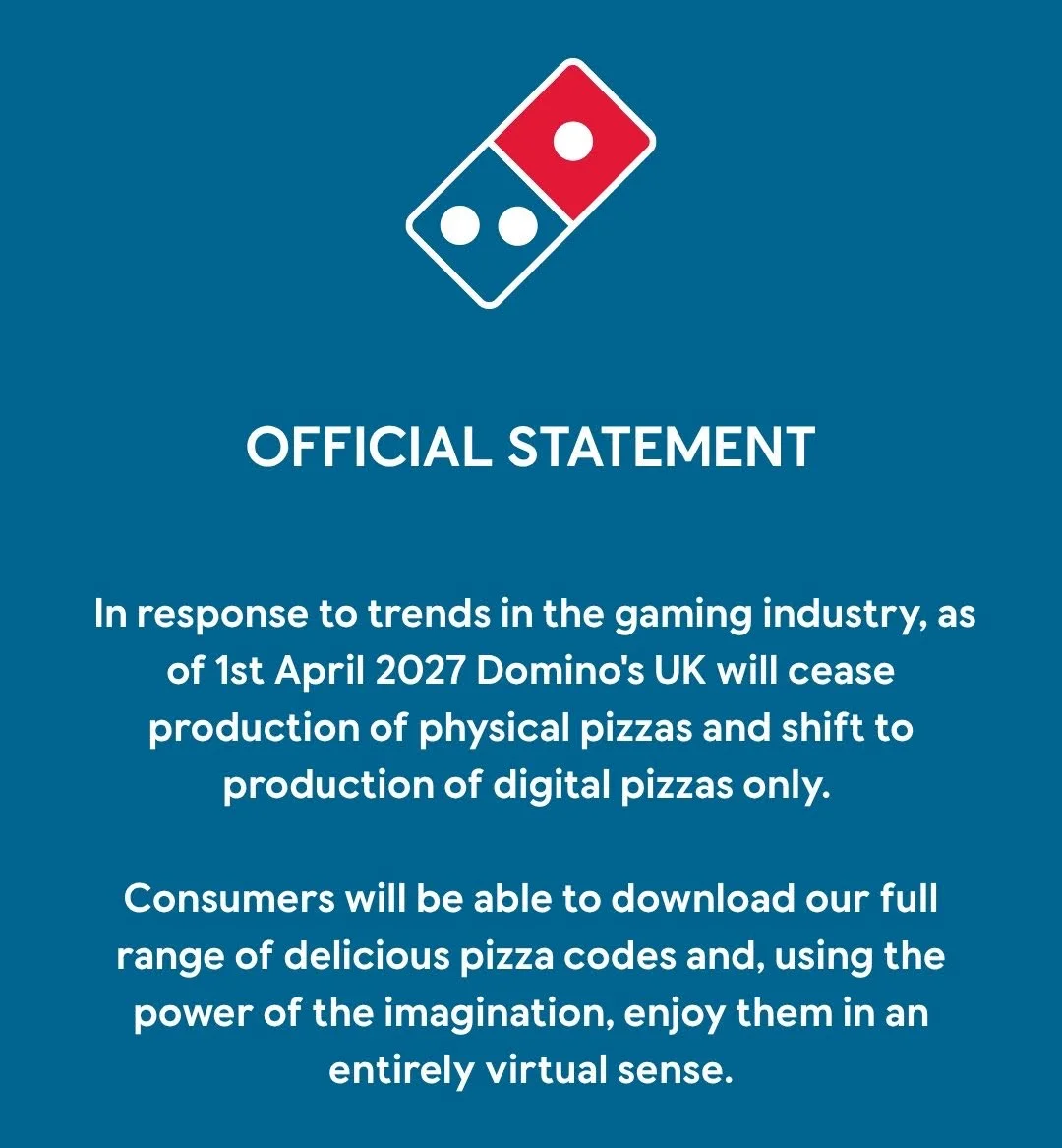
Source: Domino’s Pizza UK
As one of the first responses, the post went viral almost immediately. The original post on X has earned over 515,000 likes and been reposted over 65,000 times as of this writing. Also, when I read a version of this on their official Facebook page, some people in the comments stated that it motivated them to order pizza.
Of course, the post is satire (a world without physical pizza is nothing short of a dystopia). Nevertheless, it resonated with people because the thought of serving intangible food is plain silly. And the humor wasn’t lost in similar responses that followed.
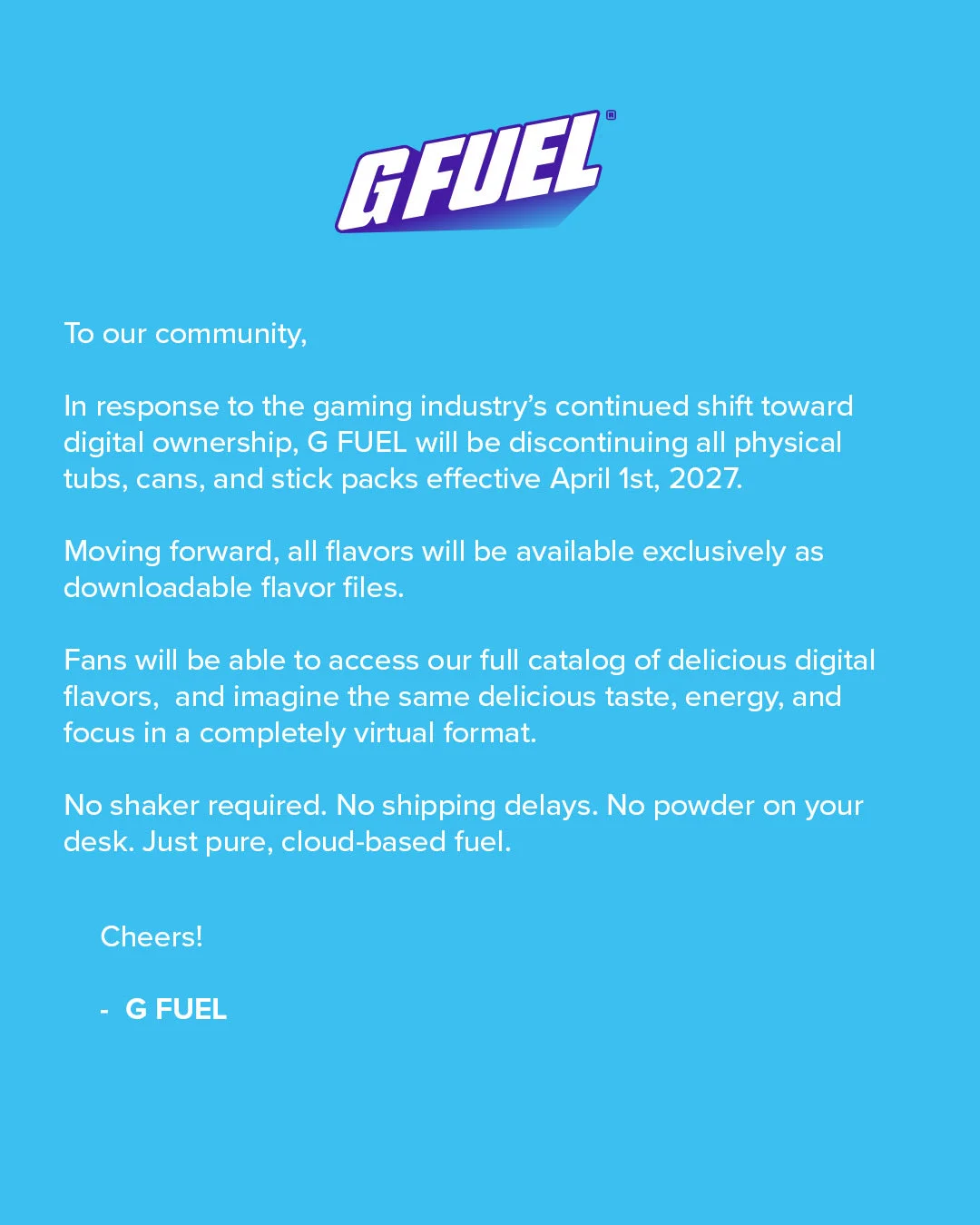
Source: G Fuel
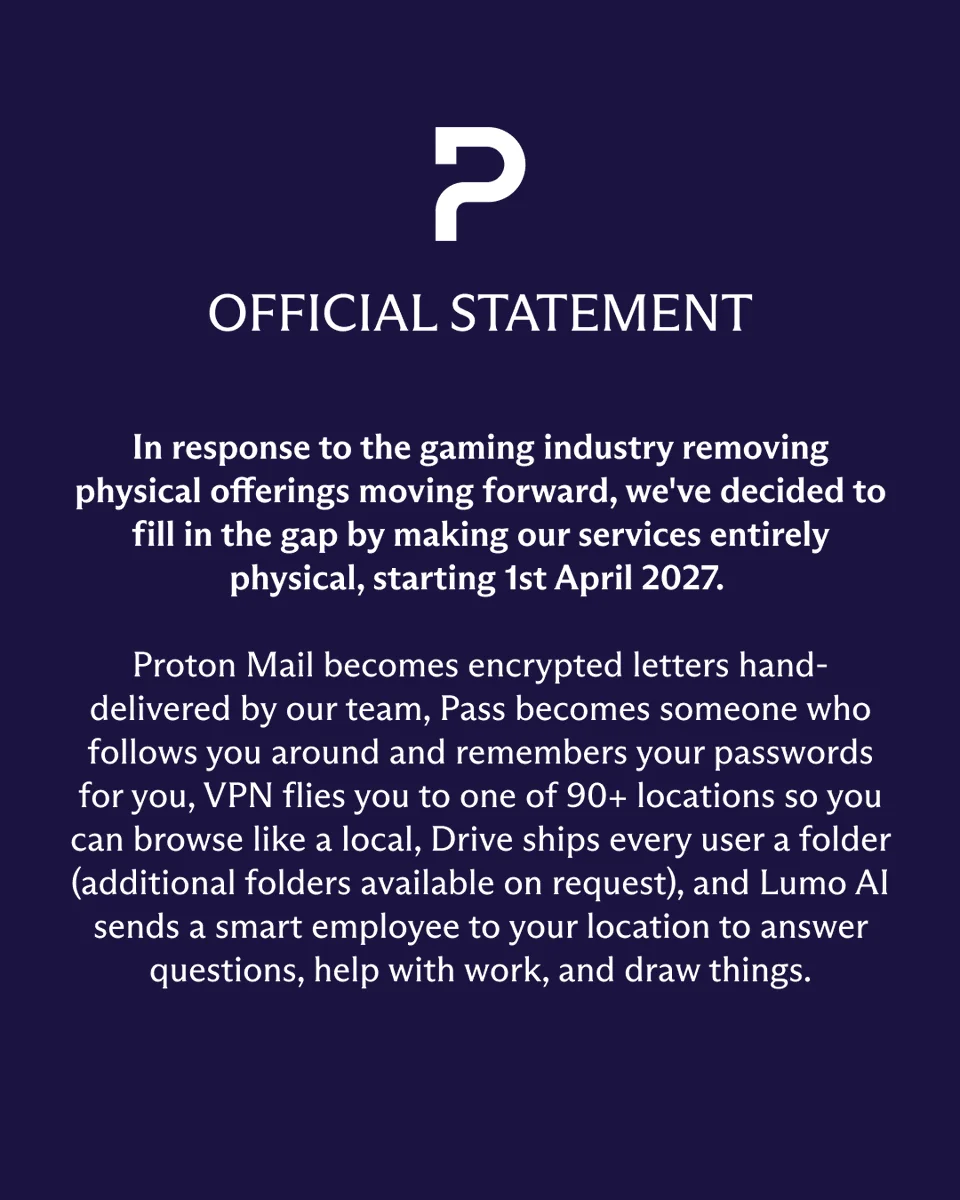
Source: Proton
It’s stupid, but it’s ridiculously stupid.
How to Stupid-fy Your Marketing
Admit That Your Brand Isn’t Perfect
The first thing you need to do to make this approach work is accept the fact that your brand isn’t infallible. Behind every brand is an imperfect human managing it, and there’s no need to be ashamed of this. If anything, it can help make your message more genuine.
See, AI may be capable of creating perfect content, but sometimes it’s too perfect. Clean design and messaging can look less natural, which consumers don’t want to see. It might even appear like the brand is trying too hard or forcing its message on consumers.
Embracing flaws is more authentic because it interrupts predictable patterns. Most don’t expect a business to post a meme, which often doesn’t need clean lines, or, in Duolingo’s case, to have its marketing run by a quirky persona.
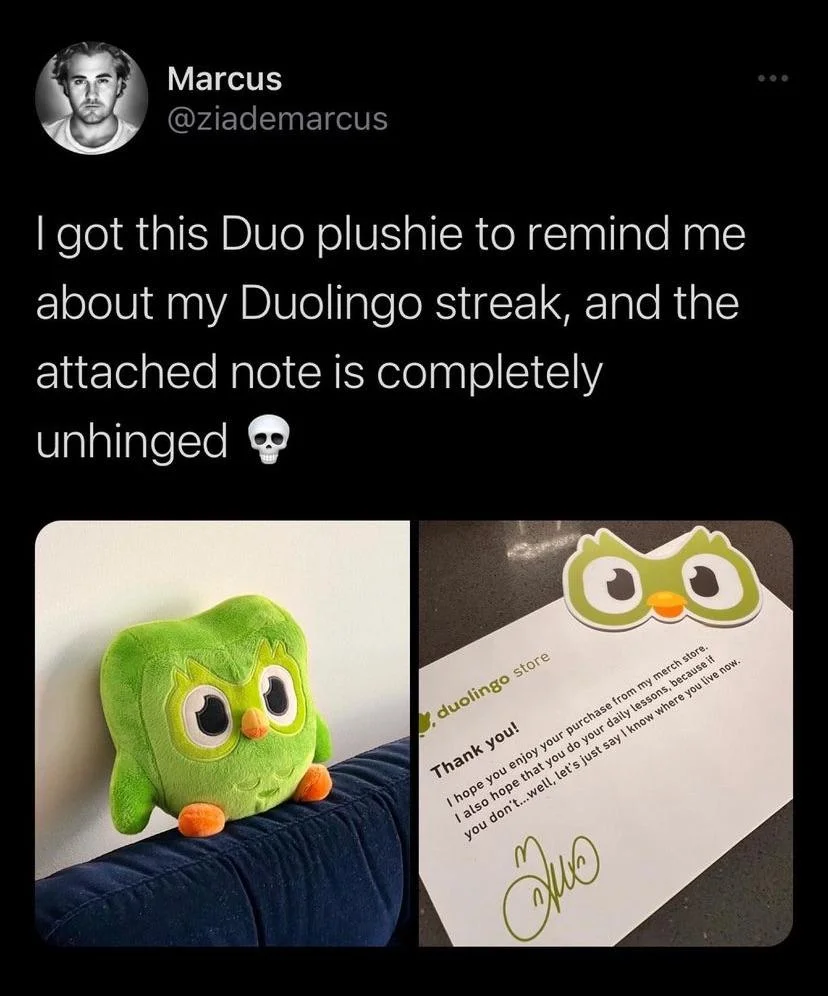
But more importantly, it gives people someone they can relate to. In an interview after its campaign to “kill off” Duo the bird, Duolingo CMO Emmanuel Orssaud said: (2)
“Duo works because he’s not just a mascot; he’s an internet personality that people feel connected to. This campaign reminded us that sustained engagement comes from building a character people care about, then giving them a story they want to be part of.”
A mascot isn’t necessary to pull this off. Your brand only needs to stay true to its identity.
Stop Worrying Too Much Over Metrics
Make no mistake: marketing is a numbers game. Everything from organic traffic to return on investment measures the success of any campaign. But if winning this game were as easy as outscoring the competition, we wouldn’t be talking about smart marketing at all.
Think about it: of the thousands of new leads to your site, how many are willing to convert? Of the thousands of reactions to your post on social media, how many are part of the target audience? Numbers mean nothing if a campaign isn’t hitting the right people.
Many businesses and marketers fall into the trap of obsessing over metrics, specifically so-called “vanity metrics.” These metrics look good at first glance, but a closer look makes you realize that you can’t act on them. Any metric can be a vanity metric, but determining if one is such usually requires comparing it with another metric.
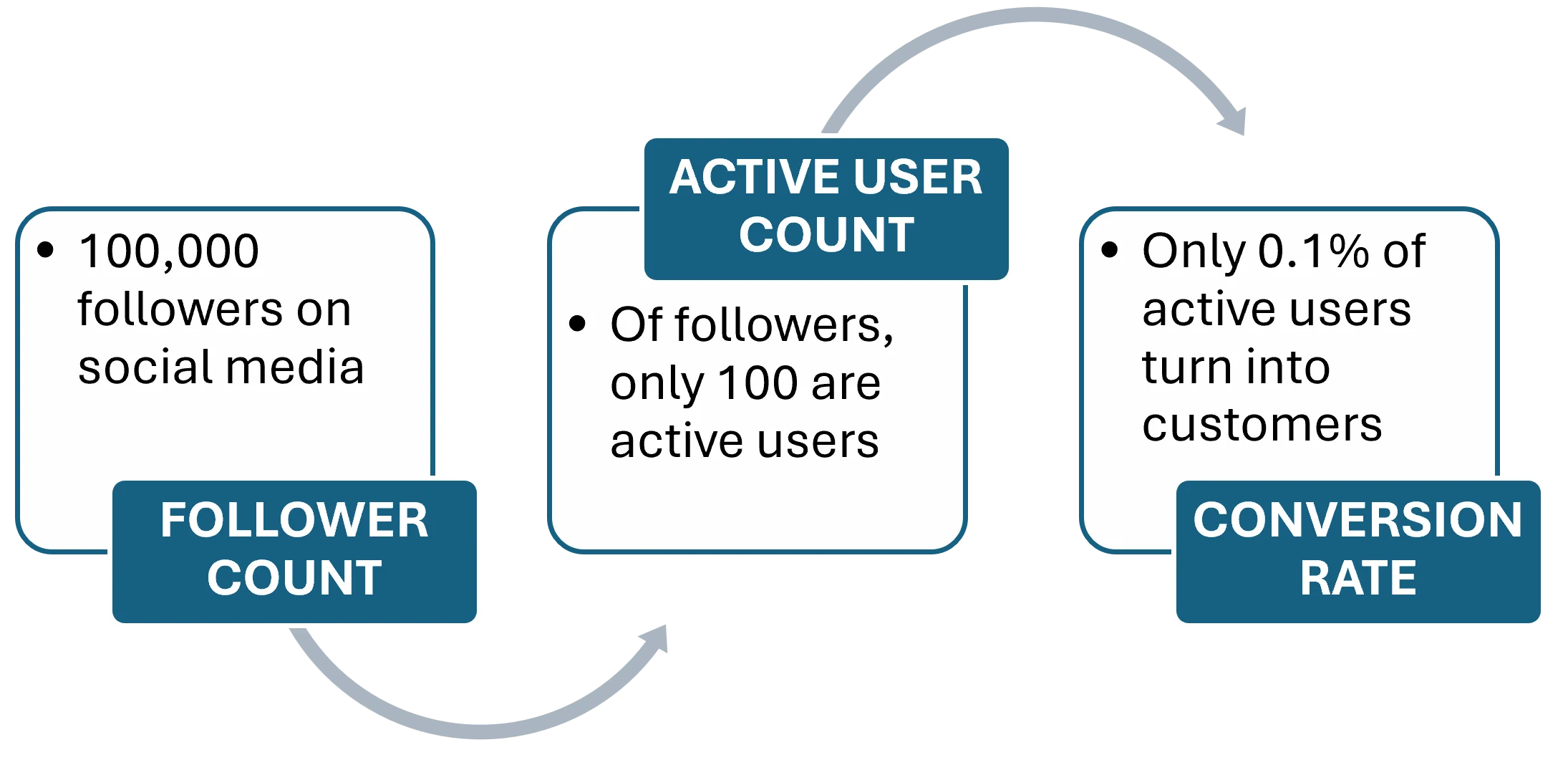
An example of how metrics devolve into vanity metrics.
Taking metrics at face value can prevent you from making better decisions. Instead, talking with customers can paint a clearer picture of what makes them tick. Experts refer to this as “taking a metrics vacation,” ignoring raw numbers in favor of customer feedback.
This doesn’t mean cutting yourself off from metrics cold turkey. Taking a week off analytics every few weeks is enough.
Don’t Be Afraid To Brainstorm Stupid Ideas
Eureka moments can come from even the most peculiar situations. One director’s account had him call up an impromptu meeting, a typical discussion of budgets, timelines, etc. But halfway through, he asks the team to come up with the worst ideas.3
Not just stupid ones, but also those that can get any brand in trouble.
The purpose isn’t to implement those ideas but rather to come up with ways to turn them into advantages they can use. That meeting, he said, yielded four ideas that could be used in their then-upcoming marketing campaign. (3)
Not all bad ideas can be turned into good ones, but some are worth exploring. That’s how you get daring in marketing, as Burger King did with its Moldy Whopper campaign in 2020.
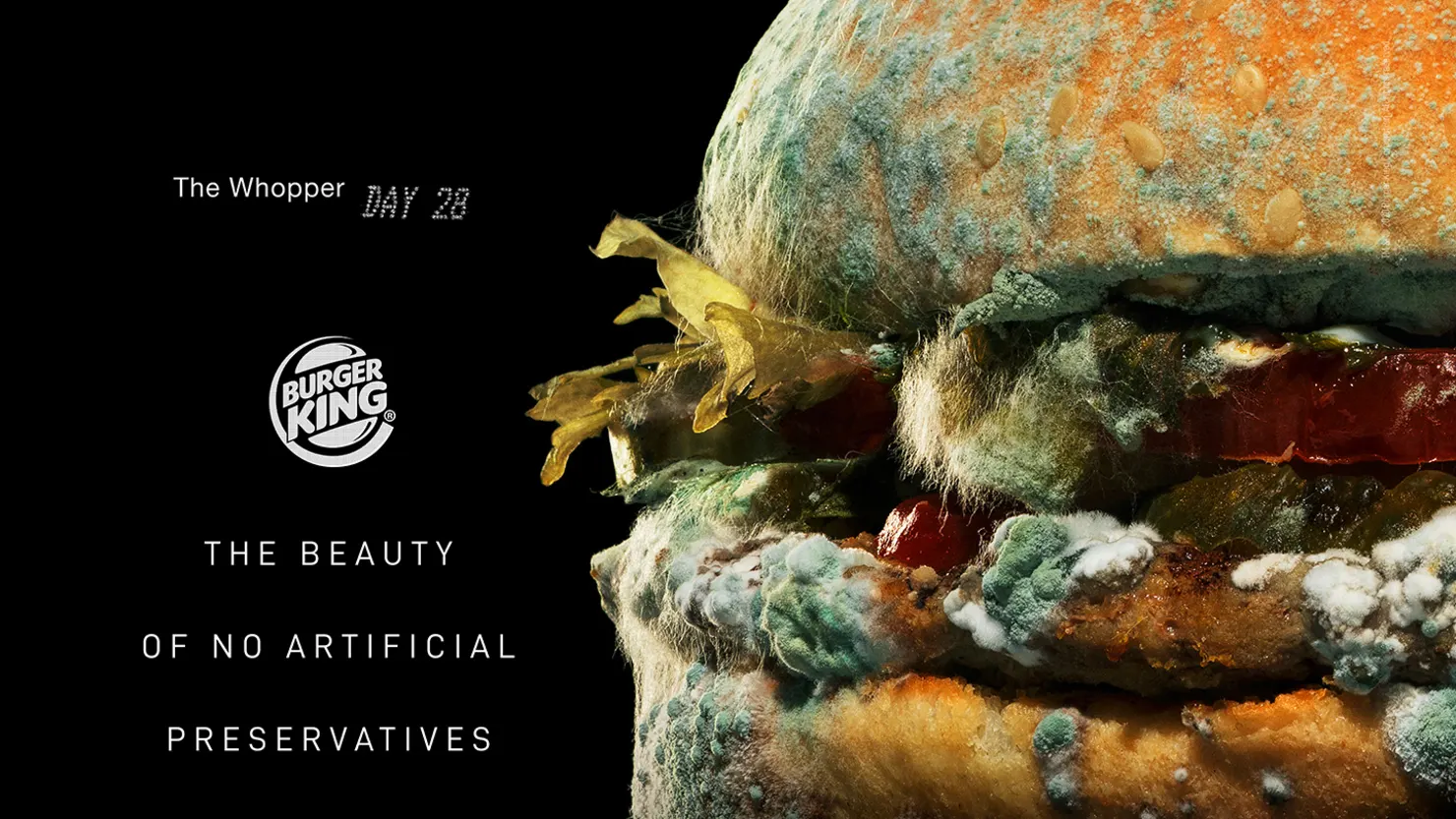
Source: Burger King
To prove its commitment to using no preservatives in its food, Burger King let its signature burger rot over 35 days. The result was just as anyone expected, earning as much praise as it raised eyebrows. Despite critics calling it uncouth, the campaign gave the fast-food giant an increase of 14% in sales and 88% in positive brand sentiment. (4)
Did such an idea actually come from an employee’s suggestion in the boardroom? It’s hard to tell, but that’s beside the point. To take marketing to the next level, find inspiration where no one else dares to look.
Making Sense of a Nonsensical Idea
In an era where achieving perfection can take just a few clicks, it’s important to rethink and embrace our flaws. Technology may be able to generate ideas, but only humans can shape them into what clicks.
So the next time your team is racking your brains, don’t be quick to dismiss stupid ideas. Among them may be the smartest idea you’ve had since the last one.
References:
“Your Brain on ChatGPT: Accumulation of Cognitive Debt when Using an AI Assistant for Essay Writing Task,” Source: https://arxiv.org/pdf/2506.08872v1
“How Duolingo turns social stunts into long-term growth,” Source: https://www.marketingbrew.com/stories/2025/09/09/how-duolingo-turns-social-stunts-into-long-term-growth
“Make Your Brainstorms Better by Making Them Worse,” Source: https://www.inc.com/stacey-macnaught/need-great-ideas-ask-your-team-for-bad-ones.html
“DAVID & INGO: Burger King's Moldy Whopper,” Source: https://www.wpp.com/en/case-studies/david---burger-king-moldy-whopper