
In a perfect world, the SEO specialist exactly knows what works and what doesn’t. All this is thanks to search engines, especially Google, finally caving in to insistent public demand by laying their algorithms bare. Studying the code in its entirety has revolutionized the SEO industry, confirming everything that’s been just speculation up to this point.
Wouldn’t that be nice, though? Unfortunately, that’s not the world we live in today.
Search engine algorithms are one of, if not, the most closely-guarded secrets in the digital marketing trade. Developers can be rather picky about the kind of information they release to the public. And too often, said information tends to be vague.
Opening up the algorithms would eliminate the guesswork that has defined SEO since its introduction. But as you’ll find out in today’s topic, developers have good reasons to keep them under lock and key.
Algorithms are Trade Secrets
Businesses are well within their rights to protect the things that make them money, known as trade secrets. Beverage companies have their drink formulae, restaurants and fast food joints have their book of recipes, and, of course, search engines have their algorithms.
Not exactly climactic, but it’s important that we get this out of the way first. Algorithms fit the bill because they fulfill the World Intellectual Property Organization’s litmus test for a trade secret, particularly:
Commercial value: They bring revenue to the companies managing them
Known to a few: The knowledge is restricted to a small team of engineers
Protective measures: The companies take steps to keep them confidential (e.g., non-disclosure agreements, role-based access control)
Unlike patents or trademarks, trade secrets aren’t required to be registered. This means that not even the government knows what exactly is inside Google’s algorithm.
God may know, but he probably has better things to do.
Risks Giving the Keys to Spammers
Here’s where I’m inclined to believe that keeping the algorithm away from the public eye is in everyone’s best interests. Not just the search engine. Not just businesses. Everyone.
Now, where did I put that obligatory Sun Tzu quote? Ah, here it is.
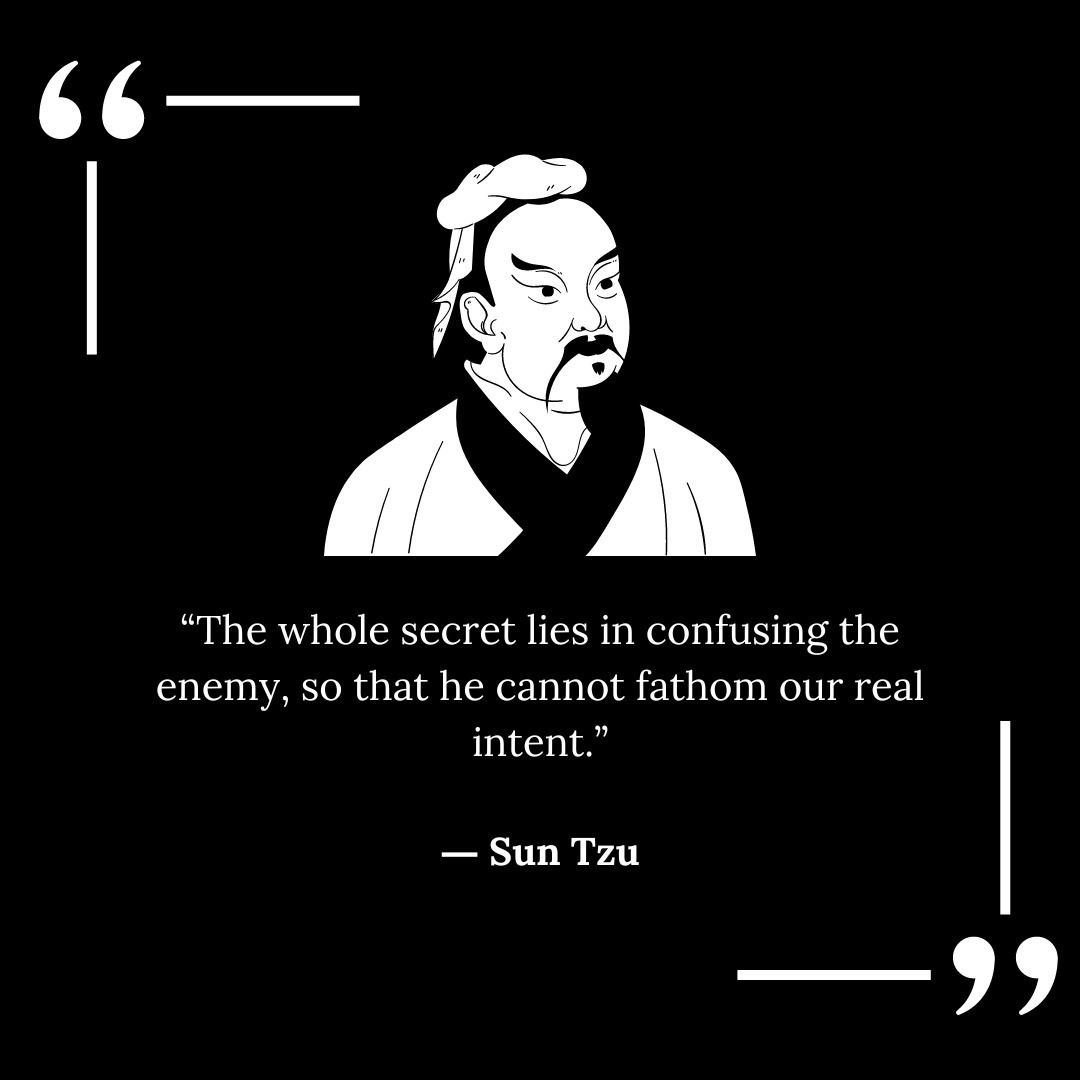
Source: The Art of War (graphic by @QuoteSunTzu)
Google’s algorithm is basically its playbook, detailing the actions a search engine can take when encountering certain content. If that were made public, it would save SEO specialists (and their clients, to an extent) a lot of grief. Businesses would be more incentivized to stop relying on outdated or even spammy SEO techniques.
However, that also means unsavory individuals can pick it up and know everything there is to know. Expect them to develop new ways to exploit loopholes, while claiming innocence, as their actions aren’t technically prohibited under current guidelines.
Also, if you hate how much the algorithm changes, you’ll hate it even more if the algorithm is made public. An increased risk of more effective “algorithm hacks” means Google may release updates more often to patch up these cracks. In some cases, the updates can risk revising the SEO guidelines far too frequently.
You may argue that Google can limit the dissemination on a need-to-know basis, such as providing it to SEO professionals. Regardless, that’s still giving away the keys to the house, well-aware of the possibility that the recipient might lose them.
Google keeping the algorithm a secret works for everyone involved because it “confuses the enemy.” Hackers aren’t the type to go in blind; they gather information on their target first. Limiting the amount of information publicly available forces them to work with only what they have, lowering their chances of success.
Quality Content Goes Extinct
Such a big reveal may have its benefits, but we’ve already discussed that it won’t exactly be beneficial for the industry or businesses in the long run. And we haven’t explained the biggest loser in all this: the concept of “quality content.”
Google has spent the last decade and the first half of this one improving user experience with updates that reward great content and penalize poor ones. Granted it’s a hit or miss with each update, but that comes with search’s fickle nature. People are hooked with one type of content one day, then another the next.
Would revealing the algorithm in full benefit content creation? Not necessarily.
If anything, all that work that went into rewarding quality content might go down the drain. Armed with the full knowledge of the algorithm’s mechanics, the temptation of generating content just to rank high becomes stronger. Given how subjective Google’s content quality signals are, websites may have far less incentive to write for quality.
Within a few years, give or take, articles and blog posts would lack the E-E-A-T that defines helpful content. Workarounds developed using the knowledge would take precedence over strategies that benefit the consumer. A new wave of spammy content would proliferate on the Internet, as if returning to the days of the content farm.
Quality content would technically still exist, just not the “quality content” we wanted.
“What if the mechanics actually hinge on quality content?” you might ask. It doesn’t.
Google has made it clear that E-E-A-T, one of its major quality content elements, isn’t used as a ranking factor (at least, not in the same way as keywords or backlinks). There’s no way to reliably rate a piece of content when others can have different opinions. That isn’t going to change anytime soon, again because of its subjective nature.
A Dangerous Gambit—and Google Knows It
We often ask Google to be more transparent about various things, especially their updates. Revealing its algorithm to the world isn’t the best way to go about it. The risks aren’t worth the short-term gains, if there are even any.
So all right then, Google. Keep your secrets.