
If you clicked on this post out of curiosity (or annoyance), then I got your attention.
But despite the post’s title, I’m not being ironic here. AI still has a long way to go to reliably replace humans, if it’s its endgame. People have tried going fully AI multiple times over the years, and the results were nothing short of disastrous.
Regardless, there are situations where adopting AI is better than keeping an entire human team. This is true in processes with a lot of bottlenecks, such as SEO. Why have a human track a piece of content’s performance when AI can do that and more in seconds?
With agentic AI quickly becoming a valuable SEO asset, adopting it is worth considering. And while not all tasks should be delegated to it, it’s a good thing to have when regularly dealing with the following scenarios:
Most of Your Output Involves Repetitive Tasks
SEO is arguably the most repetitive job on the planet. A Reddit user who owns a small SEO studio said that the work involves around 90% monitoring and updating, and 10% strategy. As such, the hard part is less from the technical stuff and more from consistency. (1)
SEO doesn’t end with content going live. Because of search’s erratic nature, content must keep up with changes in rankings and algorithm updates. A typical post-content workflow may look something like this:
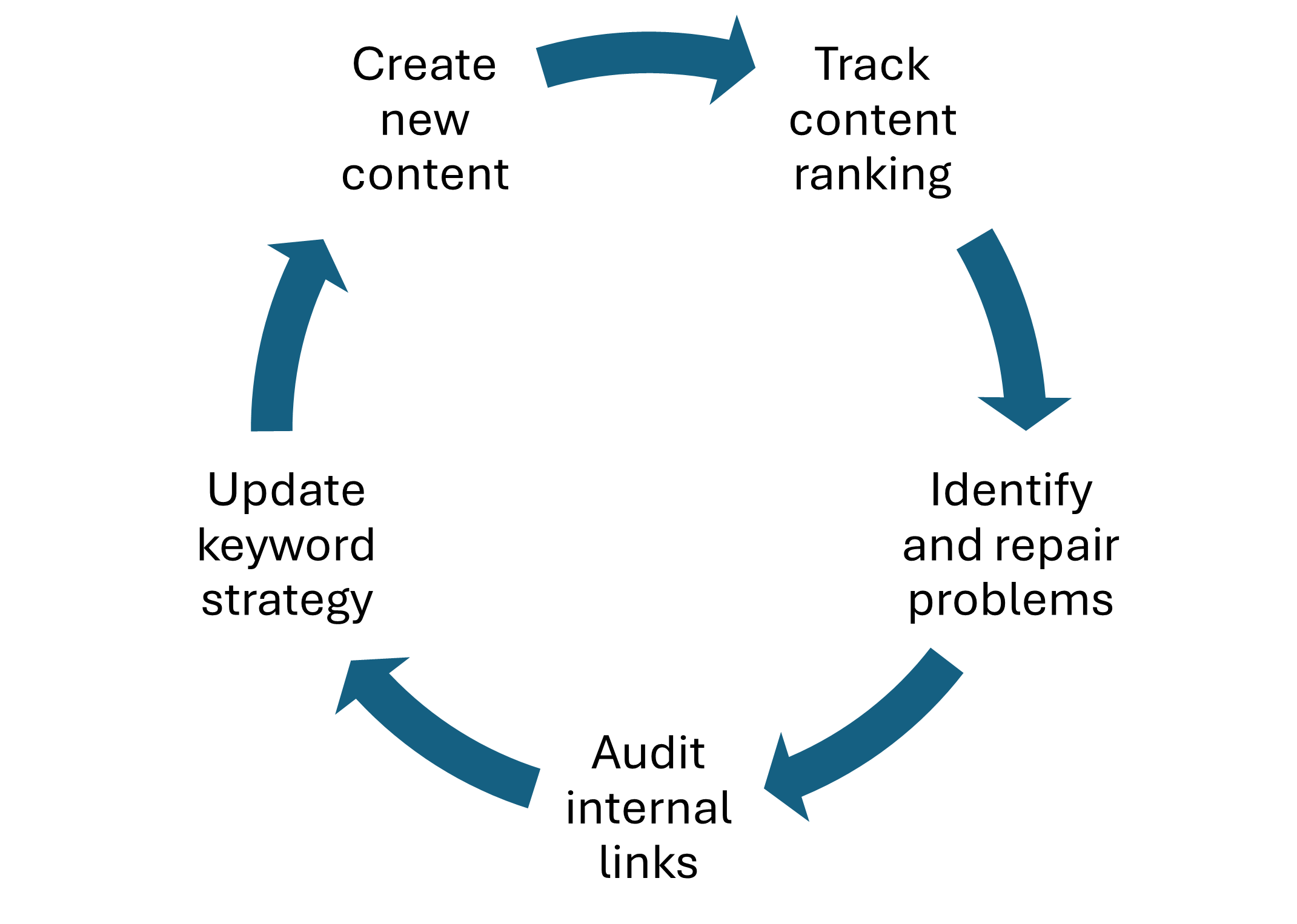
Humans and repetitive work don’t mix for several reasons, not just boredom. Each time the cycle is completed, mounting physical and mental strain increases the risk of human error. SEO can’t afford to work with faulty data, especially now that it has shifted away from pure numbers in favor of a trust-driven approach.
Replacing humans in these processes with agentic AI is ideal. Unlike humans, technology doesn’t get tired, is less prone to mistakes (given correct inputs), and needs no salary and benefits. All the while, it can suggest solutions to optimize workflows, such as removing inefficient processes or replacing them with more efficient ones.
To determine if agentic SEO is ideal for your agency, experts advise checking your output. If at least 80% of it involves repetitive tasks like keyword suggestions or meta edits, consider delegating them to agentic AI-assisted tools. This frees up manpower for tasks that require critical thinking or anything that can’t be left to AI yet. (2)
Your Website is Massive and Complex
Websites vary in size and shape. A typical website that showcases products and services can consist of a few dozen pages, whereas an online store can have hundreds depending on its offerings. But big or small, SEO demands optimizing them all.
That said, some industries warrant websites heavy with content. Some examples include:
E-commerce: These websites typically house loads of content based on their array of goods. Also, duplicate content is inevitable because many listings share several attributes (e.g., features, descriptions).
Finance: Not only do these websites maintain an extensive network of educational content, but they also need to keep it updated. Everything from products to policies can change a lot faster than you think.
News and media: News blogs and sites keep content over several years, including articles published before the advent of the Internet. The archived articles are useful for internal linking, namely when new stories need to link to old ones.
Healthcare: These websites host a slew of educational content, such as guides on diseases and treatments. But more importantly, they need to keep the information updated, such as by ensuring no dead links.
Essentially, websites that need SEO at scale benefit the most from adopting agentic SEO solutions. Its automation allows volumes of content to be optimized in real time, keeping the brand’s visibility despite changes in search.
Creative Marketing Isn’t A Priority
You’d think that a dash of creativity is a key ingredient in marketing, and you’d be correct. No marketing campaign in history has ever been successful without being witty about its theme and execution. However, not all need it.
Adam Morgan, Executive Creative Director at Adobe, explains this from experience in his Medium blog “The Creative Machine.” In one meeting, a colleague angrily questioned the need for fluff in content delivered to an IT professional. Instead of doubling down on such a decision, it got him thinking about the right way to deliver content.
To that end, he advised referring to the tone hierarchy below.
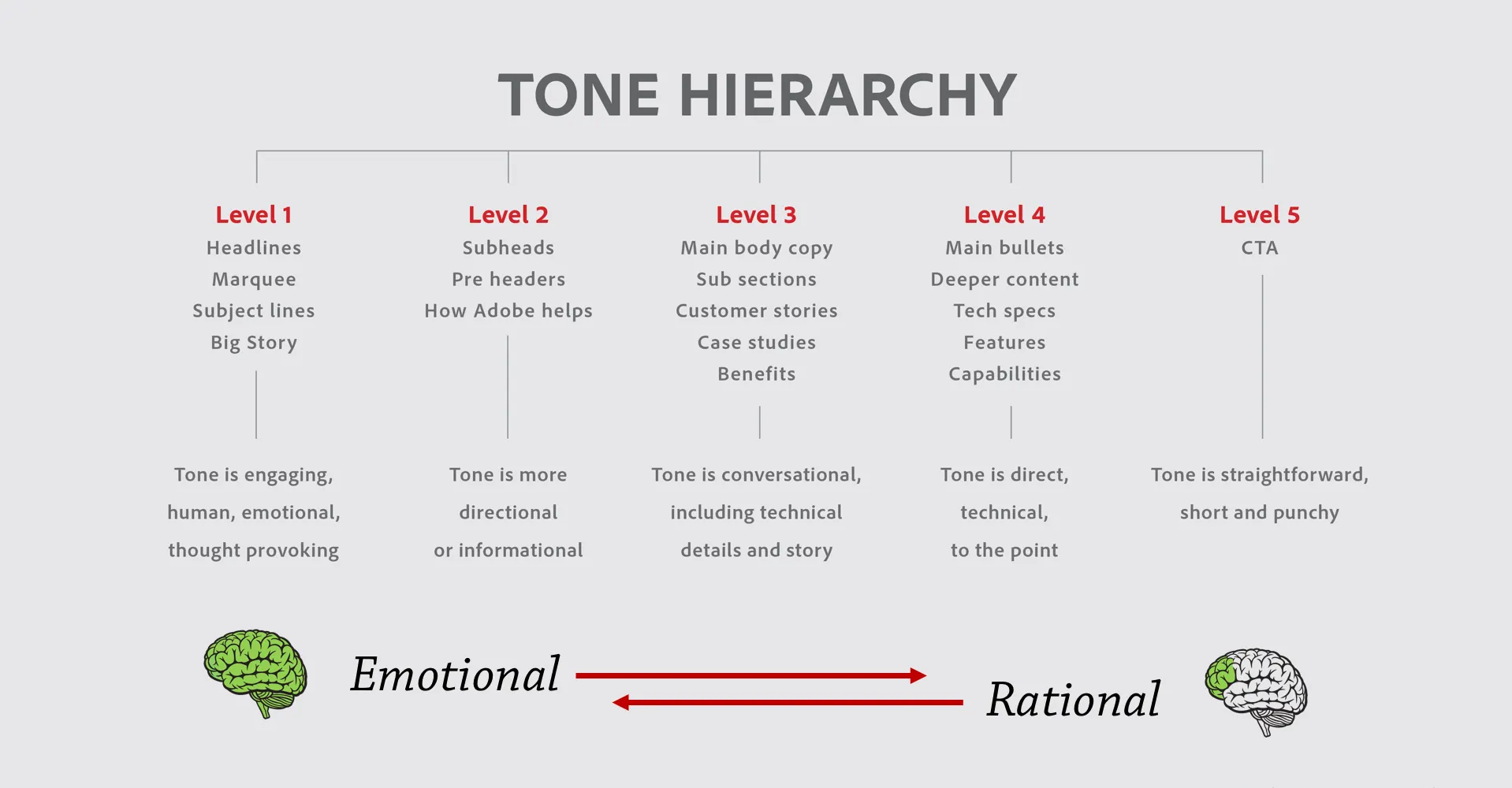
Source: The Creative Machine
What does any of this have to do with agentic SEO, you might ask?
The less “fluff” your content needs to be seen, the more it can benefit from agentic SEO. AI still struggles with comprehending nuance, even as the last several years saw major leaps and bounds. That said, technical specs don’t need a heartwarming story to be valuable, so agentic AI is enough to keep the content visible.
This doesn’t mean agentic SEO is useless for marketing fluff. It can still be integrated into a few processes, just not the creative process. Or at the very least, a human should still have the final call when presented with the data.
Use Agentic SEO Right
You should replace your human team with agentic AI when the situation calls for it. There’s a lot in SEO that can work better when automated, not to mention delegating human users to supervision from execution.
References:
1. “Most SEO work is repetition. And nobody talks about it.” Source: https://www.reddit.com/r/indiehackers/comments/1ojsnw0/most_seo_work_is_repetition_and_nobody_talks/
2. “Agentic SEO: When AI SEO Agents Replace Your SEO Agency,” Source: https://seo.co/agentic-seo/