
Parasites feed on whatever the host offers, typically blood or even living tissue. Ticks, for instance, often take up to 2 ml of the host’s blood, which is a drop in the bucket (humans have five to six liters). But a host can have dozens of these bloodsuckers feeding on it, sometimes passing on disease-causing bacteria.
Parasites leech off their host, just as parasite SEO leeches off a reputable website.
Google refers to this as “site reputation abuse,” which is exactly what it says. In exchange for a fee, a spammer may get their low-quality content published on a website with a good ranking. They take advantage of the publisher’s reputation to get clicks and views for their content. Big G says this is not cool and deems it a violation of its anti-spam policy.
How I wish the story ended there, but there’s a reason I’m bringing this up. Google’s tough stance against site reputation abuse put it in the middle of an antitrust investigation by the European Union in November last year. The complaints came mainly from news publishers claiming that the policy was demoting their sponsored content, hurting their revenue.
There haven’t been any updates since the start of the probe. While waiting, now’s a good time to get acquainted with this kind of SEO and decide whether it’s worth doing.
Is It All Bad?
Google’s March 2024 core update introduced a change that prohibited parasite SEO. It’s defined as publishing low-quality third-party content with little to no first-party oversight.
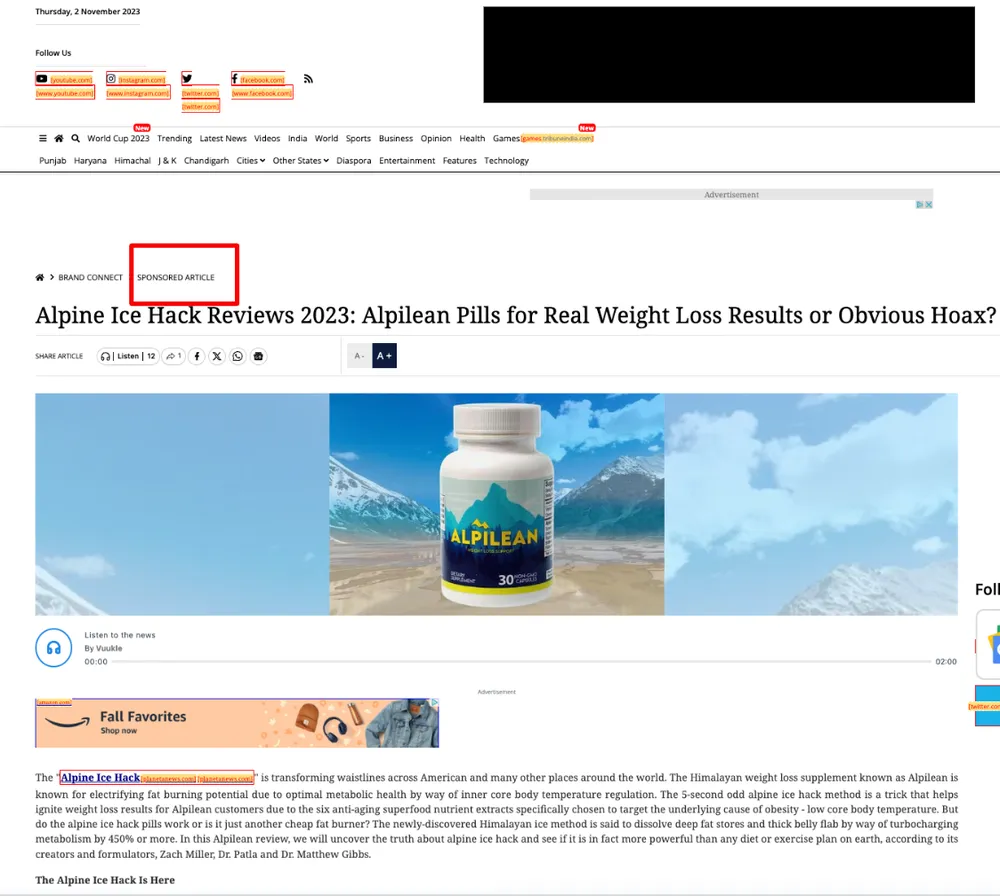
Source: Google
Essentially, besides the one who made or provided the content, the publisher is also liable for uploading it on the Internet. Publishers are responsible for ensuring their content—be it made by them or a third party—fulfills their sites’ purpose and provides value to visitors. Without this change, spammers would have a back door in gaming the algorithm.
Google maintains that third-party content doesn’t necessarily violate its anti-spam rules. Advertorials, for instance, are fair game as they still provide value to readers despite the content being written to promote a product or service. They won’t be too out of place in a publisher site that puts out general information content (e.g., news sites).
This also works for niche sites. For instance, SEO-related articles would be a perfect fit for sites such as Search Engine Journal or Search Engine Land. In fact, most of their content is written with an informational tone rather than a commercial one.
That said, the content becomes problematic when it’s published using what experts call a “churn and burn” approach. Simply put: (1)
Pay to get the content published
Reap the rewards while it’s still ranking high
Move to another site if Google catches up
Rinse and repeat for as long as necessary
In terms of content, parasite SEO tends to lean more on quantity than quality. Making junk content is one thing, but getting said junk published without much review is also how spam gets around. Not all content optimized this way is low quality, but you can’t blame today’s consumers for being too wary.
Forbes Marketplace was one notorious example (a separate entity from the business news site Forbes). Lars Lofgren wrote a great read on how it harnessed parasite SEO to achieve a monthly search visit rate of over 27 million. It did this by publishing articles across a broad range of niches, including sports betting.
Sports betting. In a business news site. Lofgren sums up how I think about this:
“You know who I think of when I think of professional sports? Not f****** Forbes.”
Social media platforms, specifically LinkedIn, aren’t as egregious. However, they let users run blog post-length posts on just about anything other than business networking or career development. There are countless more appropriate sources of information for finding out, say, budget-friendly sneaker brands than a post from LinkedIn.
There’s Some Good
Here’s where it gets tricky. We understand the reasons Google took action against the likes of keyword and link spam. Content swimming in countless unnecessary keyword mentions and links to dodgy websites is no way to make information universally accessible.
With parasite SEO, however, it isn’t as clear-cut.
Setting aside its potential for misuse for a moment, parasite SEO is effectively link building. They just differ by intent. When you want to get brand exposure as fast as possible, even if temporarily, you go for parasite SEO. When you want to build niche authority and a solid reputation over time, link building is the name of the game.
Remember when I said that a lot of the complaints came from EU-based news publishers? For them, parasite SEO may as well be the only thing preventing them from going in the red. Traditional media is struggling to stay relevant in the digital era, with many traditional news outlets losing revenue even as they go digital. (2)
It’s the same situation in the U.S.
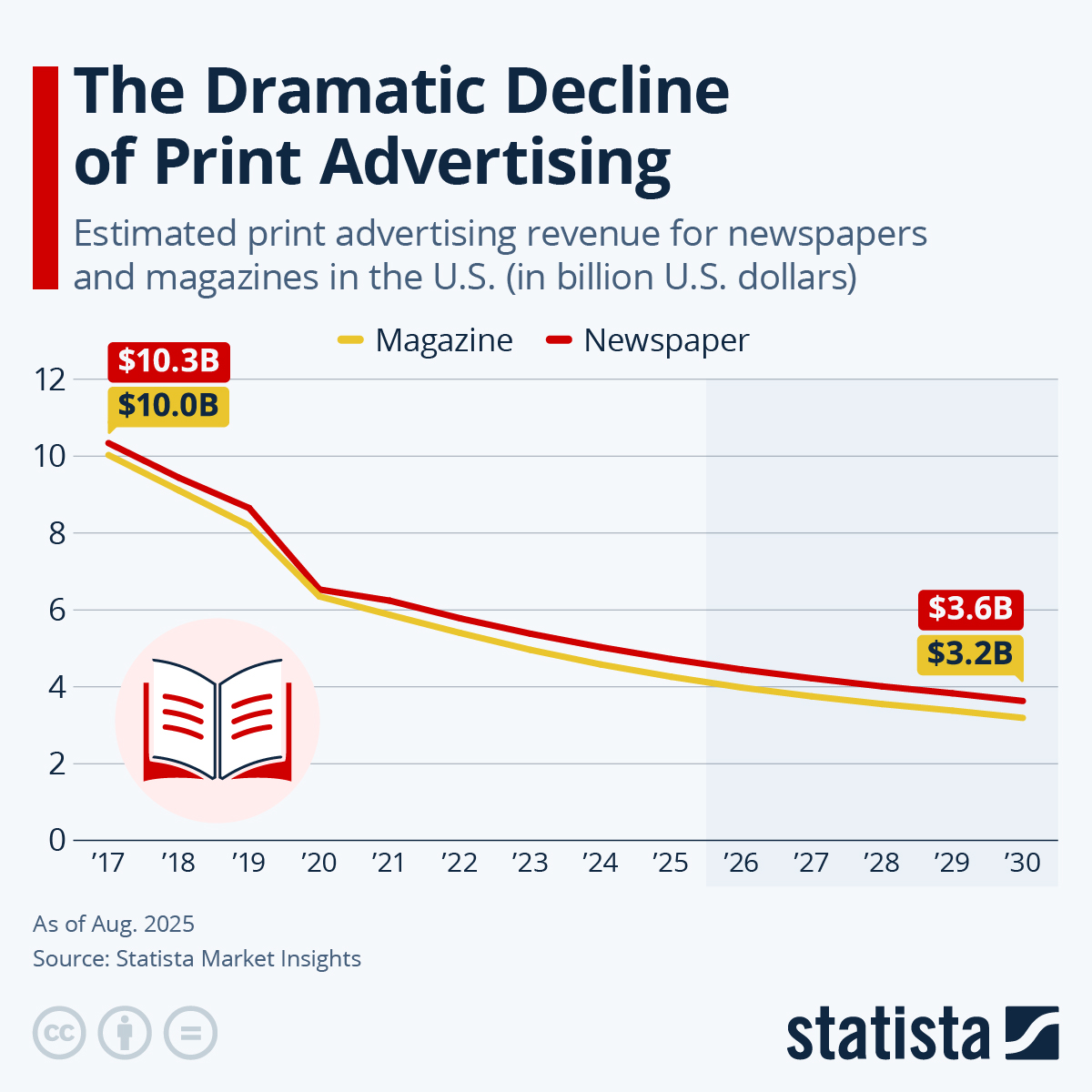
Source: Statista
As much as I fancy reading today’s paper over my morning cup of joe, publishers that once pumped out print media en masse must adapt. They’ll need every advantage they have to remain visible amid the relentless jostle for people’s limited attention span, even if it’s in the gray zone like parasite SEO.
Google may have been aware of the ramifications of a total ban on parasite SEO. Despite mentioning “parasite SEO” in their statements, namely their response to the EU antitrust probe, it tends to use the term “site reputation abuse” more.
On top of that, its guidelines include a concrete list of what’s still acceptable, such as: (3)
Wire news services and press releases
Syndicated news content (e.g., AP, Reuters)
Websites that enable user-generated content
Editorials or content that expresses an opinion
Native advertising content, such as advertorials
Content with affiliated links made as per guidelines
Coupons coming directly from the business
Sure, the content is still leeching off of the publisher’s reputation. But between journalist-tier writing and the publisher’s oversight, this kind of parasite SEO won’t feel like spam at all. If either one or both are missing, that’s a problem.
Blame the User, Not the Technique
Parasite SEO can be a black hat or white hat; it boils down to the user’s intent. One who does it for the sake of rankings and other unnecessary metrics puts themselves at risk of attracting the Big G’s ire. Conversely, one who does it to genuinely help their customers (and the public at large) is on the right track.
References:
“Parasite SEO Explained (It’s Not Always Evil!),” Source: https://ahrefs.com/blog/parasite-seo/
“The European media industry outlook,” Source: https://europeanjournalists.org/blog/2025/12/22/2025-media-industry-outlook-report-media-business-models-hit-hard-by-the-attention-economy/
“Spam policies for Google web search,” Source: https://developers.google.com/search/docs/essentials/spam-policies#site-reputation