
Ask any SEO professional to name one feature that revolutionized search. Some might say AI, others say Google’s Panda and Penguin updates, and they aren’t wrong.
But if you ask me, only one comes to mind: PageRank.
Ahead of its time, this Google algorithm changed the way search engines rank content by changing the metric. Instead of the number of keyword mentions that can be manipulated too easily, it assessed the number of links and their quality. For a time, SEO strategy and tactics revolved around PageRank and its nuts and bolts.
Then, in 2016, Google shut down the toolbar used for gauging a website’s PageRank score. This final nail in the coffin had left the Internet scrambling to find another metric to replace it. Arguably, the most talked-about alternative is then-SEOMoz’s domain authority.
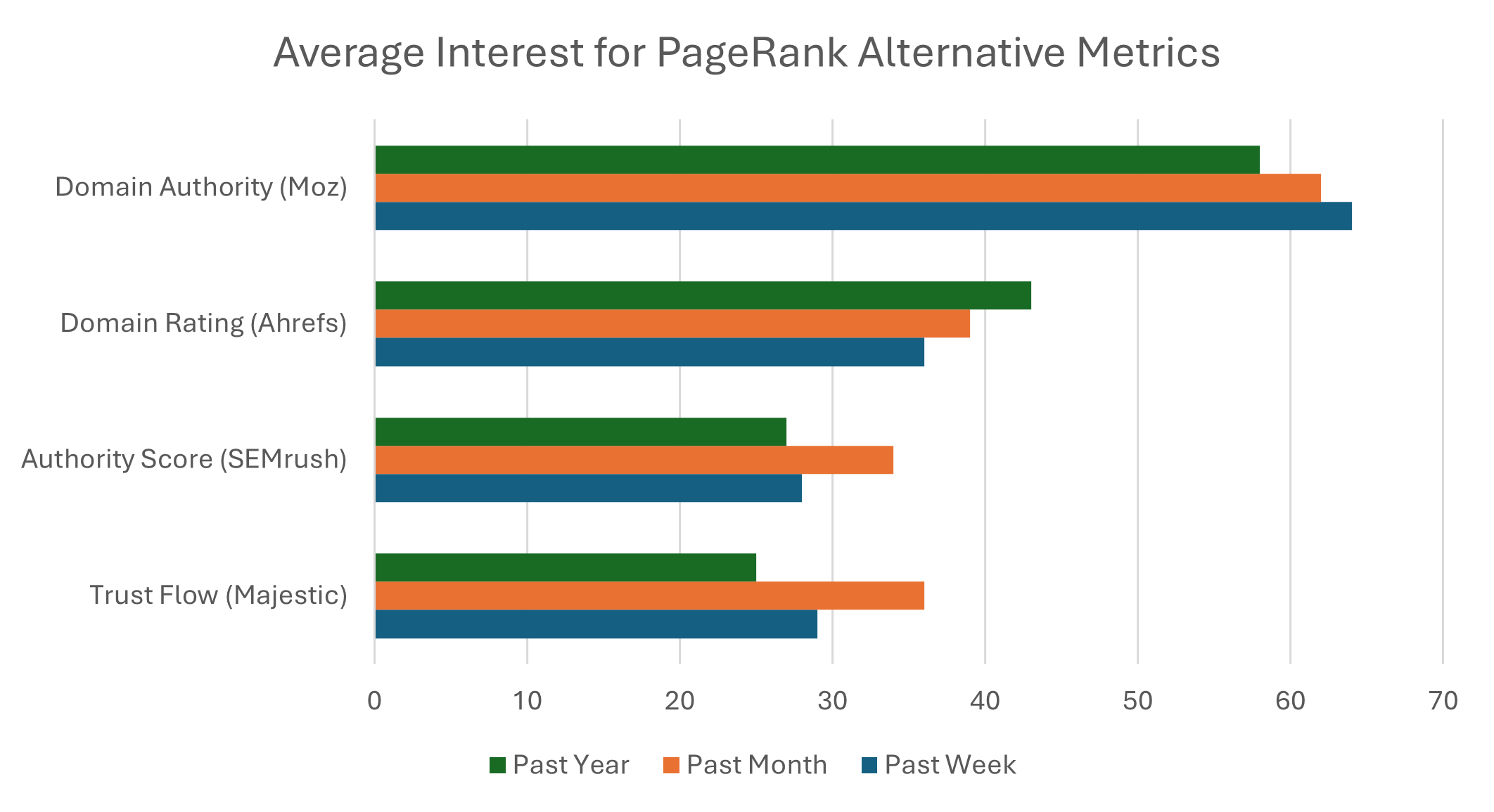
For all the talk about domain authority and how it fits in modern SEO, we seem to forget that metrics are arbitrary. Numbers alone don’t paint the full picture, yet they’re treated along the lines of “if you can’t achieve these figures, your website’s not going to last.”
To that end, let’s talk about domain authority. Is it too important to ignore, or are we giving it too much credence? To start with, how is this metric calculated?
Domain Authority Explained
The early 2000s saw the rise of SEO analytics tools, with Moz being founded as SEOmoz in 2004. Its proprietary metric, domain authority, was introduced along with its free browser toolbar that works more or less the same as the now-defunct PageRank toolbar.
The specifics of calculating a website’s domain authority are, just like Google’s algorithm, kept under lock and key. However, Moz explains that it uses a machine learning algorithm to measure how likely a domain or website is to appear in search results. It uses a long list of factors, some of which include:
The number of root domains linking to the website
The overall quality of those linking root domains
Other signals based on rankings across search results
Google and Moz have made it clear that domain authority is NOT a ranking factor. Besides the metric being proprietary to the latter, its way of crunching numbers differs from that of PageRank. Additionally, it measures a domain's or website’s search performance, whereas PageRank measures that of individual pages.
Domain authority (DA) scores range from 0 to 100. As a website’s DA score increases with time and effort, so does the difficulty of raising it much further. Newly-published websites start with a DA score of 1 and can quickly work their way up with enough work.
Misunderstandings Abound
Moz emphasizes that domain authority should be used for comparison rather than treated as an absolute figure. But given that we’re here talking about it, that clearly isn’t the case.
First, it’s dangerous to assume that good SEO hinges on a single metric. Although that may have been the case with PageRank during its time, we’re long past that because of the shift to quality content. You probably read that Google uses around 200 factors for its algorithm, which it later debunked, so why assume that only one metric matters?
Source: Search Engine Land
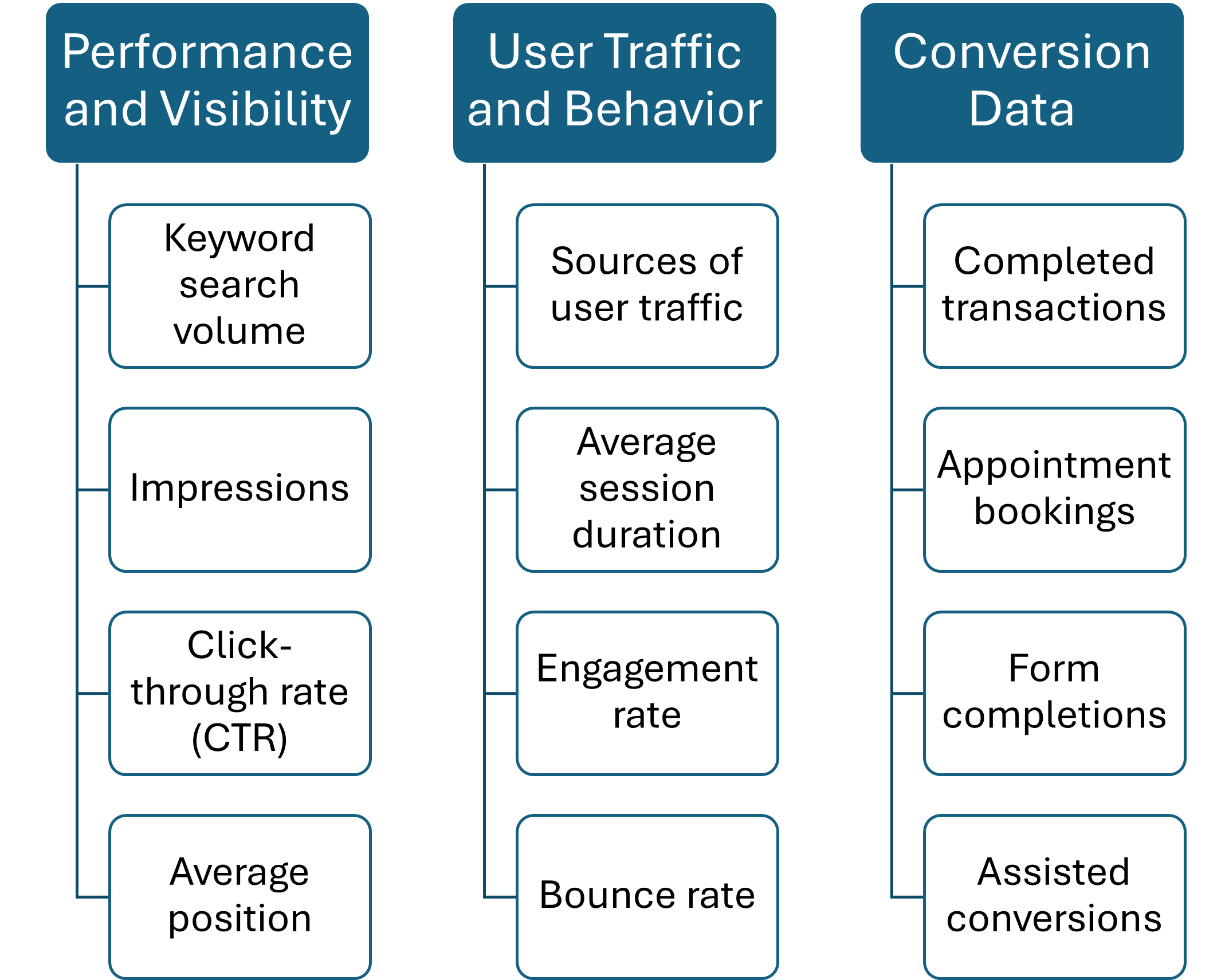
Domain authority is nowhere on the above list of core SEO metrics stated by professionals. It can’t establish itself as absolute because its competitors have their own metrics, ranging from Ahrefs’ Domain Rating to Majestic’s Trust Flow.
It’s highly unlikely that Google will adopt domain authority—or any other third-party metric for that matter—anytime soon. Doing so sets a dangerous precedent, not to mention giving people a peek into its confidential algorithm by adding something that’s public knowledge.
But perhaps the most egregious is that the DA score matters little in the bigger SEO picture. Some websites with low DA scores reportedly rank higher than their counterparts with high DA scores. They recognize that better opportunities lie elsewhere, such as building topical authority or optimizing the code.
Your DA Score Will Go Up, Anyway
If you’re still hung up on boosting your website’s domain authority, know that it’ll increase once you start doing SEO. As mentioned earlier, the number of backlinks and their quality are key factors in the calculation. It’ll go up without you even noticing.
On that note, our good friend, ethical link building, becomes important. A DA score may be the first thing people look at when choosing a source of backlinks, but as we’ve established, Google doesn’t care much for it. As long as the content is relevant and isn’t into sketchy SEO, the source’s DA score hardly matters.
You also need to optimize your content to contribute to better rankings.
Create helpful content (e.g., original research, comprehensive guides)
Search for keywords and form topic clusters to shape the ideal content
Develop an internal linking strategy to seamlessly bridge all your content
Scour the website for optimization opportunities, such as broken links
Build partnerships within your niche or industry to get enough exposure
As a side note, know that there are no exact standards in DA scores. You may hear people claim that an average or good DA score ranges from 50 to 60, but there’s no reliable way to confirm this. What counts as “good” varies by niche or industry.
Useful But Not Crucial
This isn’t to say that domain authority is useless. Websites need an alternative benchmark of SEO effectiveness now that PageRank scores aren’t a thing anymore. But in the end, it’s just that—a benchmark, not the centerpiece of any SEO strategy.