
This is an update to an old post on the negative effects of black hat SEO published in 2022. Not a lot has changed since then—black hat SEO is still bad and not worth it. Nevertheless, four years is plenty of time for new insights to emerge, especially regarding AI.
The term black hat refers to a villain in fiction and real life, though it began with the former. It dates back to the early 1900s, when Western TV shows and movies had the villain wear a black hat and the hero a white hat. There was rarely an in-universe explanation to this; it’s just so the audience could tell who the good and bad guys were.
Later, the tradition found its way into the real world—in this case, SEO. It’s unclear why the industry adopted it, but if I have to guess, it somewhat fit its “Wild West” image back then. Black hat SEO is basically SEO that goes against established guidelines like Google Search Essentials. It won’t land a website owner behind bars, but it can lead to serious penalties.
And with AI all but fully integrated into search engines, it’s time we update our list of black hat SEO techniques and why they should be avoided.
It Can’t Be That Bad, Right?
Sure. If you don’t mind your website being forgotten.
Any business, whether fully digital or with a brick-and-mortar office, knows that visibility is crucial in online marketing. Its content may be superb and its image reliable, but neither of these matters if people can’t see it. That’s why penalties involve:
Ranking Drops
Ranking drops are so commonplace that it should be noted that not all drops are penalties. In some cases, they may have been caused by regular updates or technical issues with the website. When the cause is attributed to a violation, though, Google will inform you via the Search Console (except for automatic penalties, which have to be tracked by analytics).
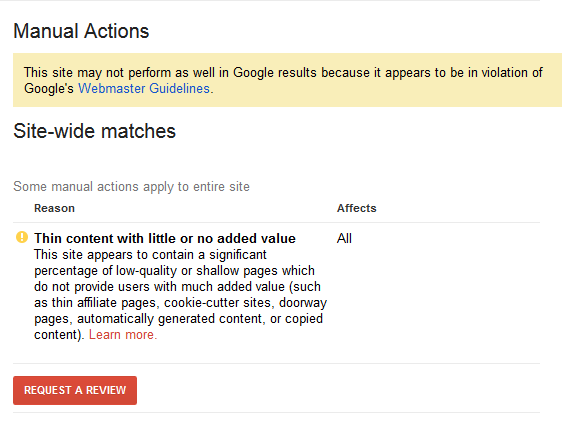
Source: Serpstat
Losing your hard-earned ranking in search results is disheartening. Not only will site traffic plummet like a rock, but recovering from the penalty won’t be as quick as you might think. As such, websites should waste no time fixing the issue and submitting a Reconsideration Request to Google (the latter only applies to manual penalties).
Disappearing From Results
The more serious violations suffer a worse penalty: deindexing. It means Google removed the website and all its pages from the search results, and users can’t search them even if they enter the exact terms. Essentially, the website doesn’t exist.
It’s unclear as to what reasons a website can be taken off the search results. That said, a likely example is publishing prohibited and restricted content, such as:
Spreading misinformation and misleading content
Hate speech on the grounds of gender, race, etc.
Sexually explicit content, such as pornography
Content that encourages dangerous behavior
Inciting activities that threaten people’s safety
It’s possible for common violations like unnatural links and thin content to be punishable by deindexing. To that end, they have to be really egregious to warrant this penalty.
GBP Suspension or Removal
If your website gets a penalty, your Google Business Profile (GBP) might also be at risk of a “soft” or “hard” penalty. A soft penalty involves removing your ability to edit the details in your business’s GBP, whereas a hard penalty means outright removing the entire profile.

Source: Google
Google may penalize a business’s GBP if it:
Misleads customers by pretending to be a different business
Uses a mailing address that isn’t staffed by its employees
Can’t be verified through normal means (for sensitive lines of work)
Is found to be engaging in spam or other suspicious activities
Unlike SEO violations, Google doesn’t disclose GBP ones. It only prompts users to take a look at their profile and edit any information that got them penalized.
Bad User Experience
Black hat SEO is less concerned with improving user experience and more concerned with proliferating backlinks. And this is despite SEO experts repeatedly stating that the quantity approach no longer works.
Put yourself in your customer’s shoes. Would they read a page written like this?
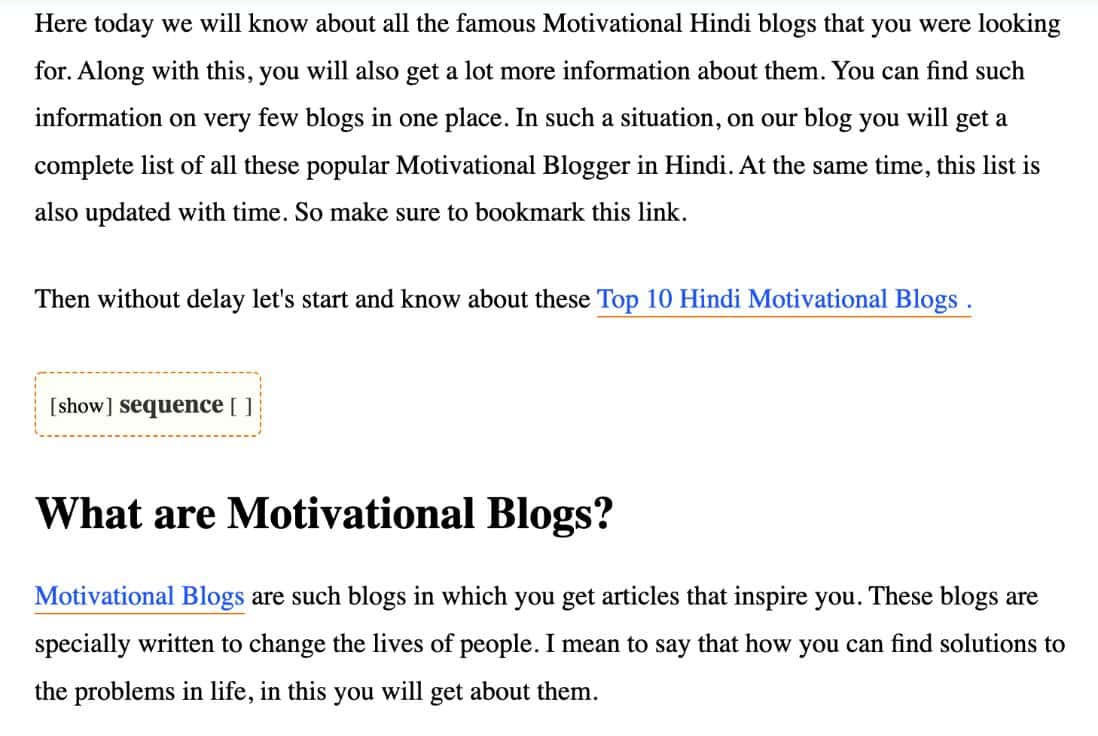
I sure don’t need to be reminded that I’m reading an article about Hindi motivational blogs (despite not being Hindi myself) one too many times. Not to mention that Google frowns on this practice because it adds little to no value.
But perhaps Google may not even need to lift a finger. Bad user experience leads to fewer visitors because nothing puts them off more than a page that doesn’t have the information they seek. This reduction in traffic can have serious implications for your website’s ranking.
So, What Should I Avoid Doing?
Short answer: Don’t be lazy.
Just as Rome wasn’t built in a day, good link building takes time. The quick and easy ways you may have seen or heard might involve black hat practices that can get your website in hot water. As such, resist the temptation to do the following:
Private Blog Networks
NO-BS Marketplace (at least, its predecessor business) used to create and manage private blog networks (PBNs) for its backlinks. Because getting a backlink from reputable websites takes time and isn’t guaranteed, PBNs work by having your own network of blogs and sites. Suddenly, you have a source of backlinks that you can control and distribute.
With Google’s crackdown on low-quality content and link schemes, the company stopped doing PBNs. They’re now punishable for a range of violations, from the exchange of goods for backlinks to expired domain abuse.
Despite being prohibited, many businesses continue to rely on PBNs for their SEO. And the worst part is that you can still get in trouble, even if you didn’t know that the backlink came from a PBN site. The algorithm won’t discriminate.
If you come across a potential source of backlinks, it pays to get a closer look first. I’m not just talking about the quality of the published content (though it’s a major factor), but also other signals that visitors aren’t usually visible. Google’s detection system also uses these to identify PBNs, but some of these are accessible to the public.
High DA/DR, Low UR/PA: Depending on which SEO analytics tool you use, you can spot a PBN if there’s a huge gap between their domain-level and page-level ratings. A low page-level rating means the site hasn’t uploaded quality content for a while.

Same owner: You can look up a website’s ownership by checking its WHOIS (later, RDAP) data via the ICANN Lookup tool. Multiple websites registered to one owner or group are typically a sign of a PBN. Don’t expect to rely on it all the time, though, as data privacy laws allow owners to redact their WHOIS/RDAP information.
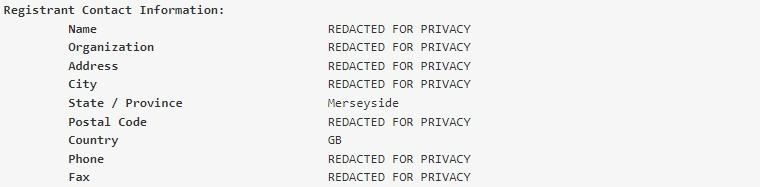
This UK-based website has its data protected under the GDPR and the Data Protection Act
Same IP address: Some PBNs operate out of a single location, represented by the sites having the same IP address. Again, you can confirm this using online tools like DNS Checker and NSLookup.io.
Link Cloaking
Link cloaking pulls off a “bait and switch” by running two different versions of one website. One version is designed for crawlers, while another is made for human users. Below is an example from BMW’s cloaking attempt back in 2006, which got its German site deindexed.
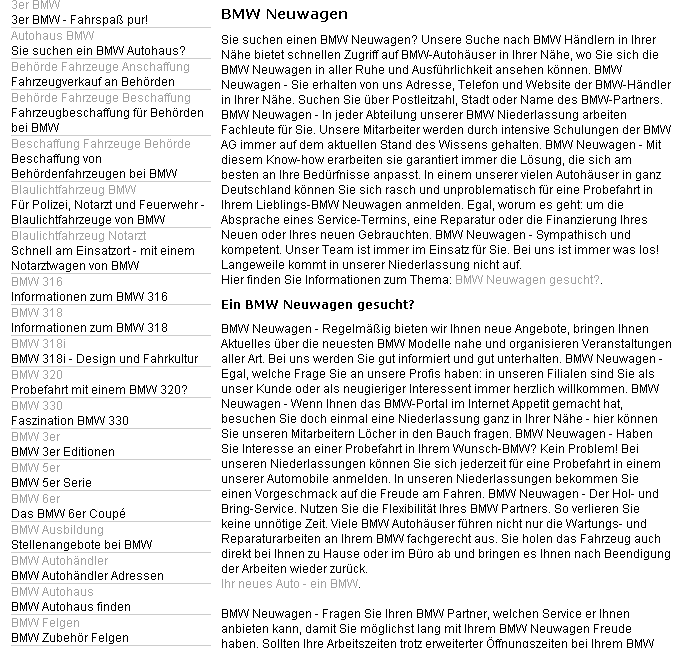
Version for crawlers. Source: Matt Cutts
According to Matt Cutts, formerly of Google, as soon as the site detects a human visitor, it would initiate a JavaScript redirect to lead them to a more user-friendly website.
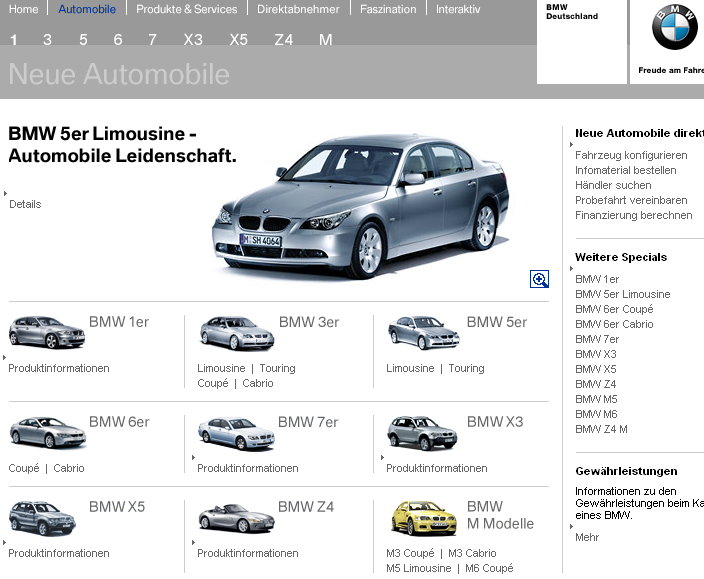
Version for humans. Source: Matt Cutts
To Google, this is outright deception. Regardless of intentions, your website should show the same content to crawlers and visitors alike. In fact, this cautionary tale teaches us to always make content for humans, not search engines.
Poorly Made Content (Especially AI Slop)
I’ve talked about the importance of quality content so many times that you probably don’t need another in-depth discussion. If you aren’t confident in your writing skills, there’s the option of hiring guest posting experts.
In the old post, we discussed the various reasons content can be flagged as low quality. Some of these include spinning, too many distracting ads, and the author having a less savory reputation. That’s still the case today, but there was one thing that it didn’t cover.
I’m talking about AI-generated content.
Google’s stance is that it doesn’t penalize AI content, arguing that the technology can be helpful when used correctly. Additionally, AI content is subject to the same guidelines as human-made content and penalized all the same.
But if Google won’t ban AI content, a growing number of publishers certainly will. They’ll likely have an extra step or two to weed out AI-generated submissions through checking tools or even chatbots. While that carries the risk of falsely flagging human-made ones, they may prefer not to leave everything to chance.
And let’s face it, people still want a human talking to them through the article.
Link Spam
This one goes without saying. And just like PBN links, you can also get in trouble for having links from link schemes without noticing. In fact, the industry has a term for the deliberate process of sending bad links to websites, known as negative SEO.
We’ve established that PBNs are a type of link spam, but there are others.
Link exchange: Any link acquired by exchanging goods (e.g., money, goods) goes against Google’s guidelines. However, links coded as “nofollow” or “sponsored” are safe from being penalized.
Forum and comment spam links: Online forums that don’t regulate link spam on users’ posts are prone to such links. While Google generally discounts these links, you shouldn’t be putting them in the first place.
Hidden links: These links are camouflaged within the website by various means. Examples include placing them off-screen, changing the font color to blend with the background or whitespace, and using a small character as anchor text.
Reciprocal link spam: Giving a link in return for a backlink isn’t prohibited. It only becomes a violation when you go around asking for links from dozens of sites. As for the threshold, Ahrefs said 30 is a reasonable number.
Automated backlinks: Automation can help with a lot of things in link building, but generating links isn’t one of them. Google won’t hesitate to penalize your content if it contains automated links because they can be used for spam.
Black Hat Redirects
Domains can last for up to 10 years before they need to be registered again. If the owner lets the registration expire, the website becomes like this.
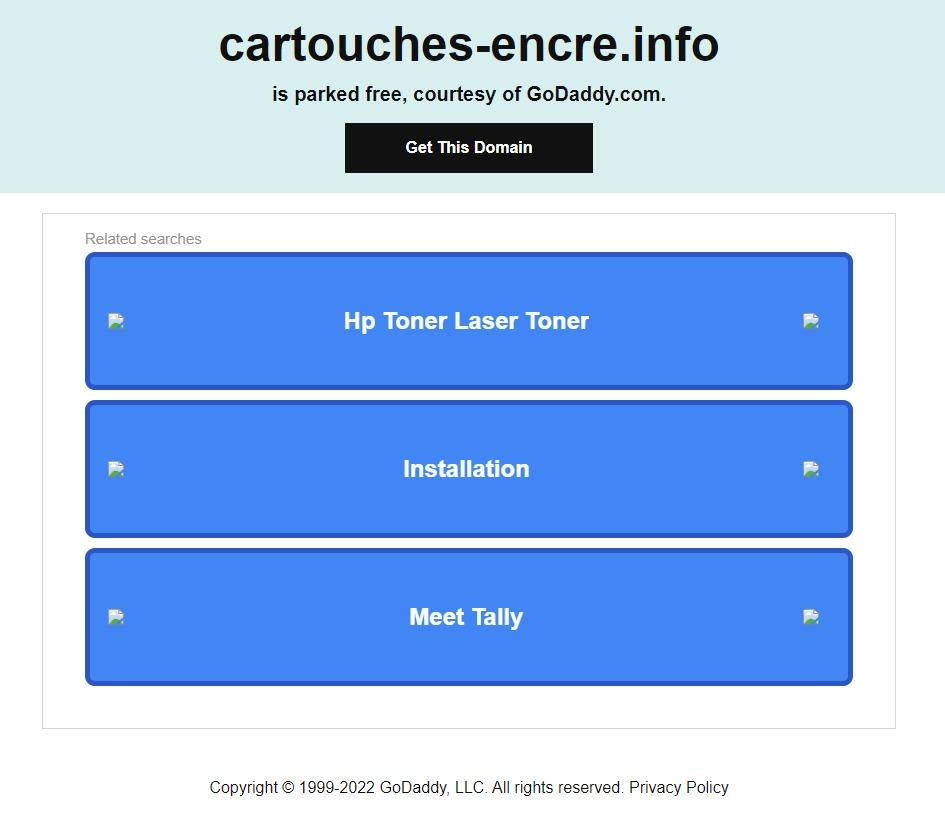
This means that the domain is up for grabs. The original owner can still get it back, but they need to move fast because plenty of others are eyeing it too. These include website owners who use expired domains for black hat 301 redirect link building.
Despite the original website no longer being there, all the link equity it saved remains. This saves black hats the trouble of having to build a website’s authority from scratch, which is why they grab as many of these as possible. The problem with this is that it deceives users into thinking that the new website is part of the old one.
Google saw this as a big enough problem and acted decisively. One of its core updates in 2024 featured penalties for what’s called expired domain abuse. Long story short, if you manage an online bike store, don’t buy a domain that used to belong to a federal agency. And for Google’s sake, don’t cram low-effort or unrelated content into it.
Not Worth It
Black hat link building may be easier and deliver results faster. However, they’re never worth the effort because search engine algorithms have become better at weeding out these practices. Even if the black hat manages to stay undetected, it’ll dissuade users from visiting or returning for reasons we just went over.
Save yourself the trouble. Build links by the rules.